
Welcome to POSTCOLONIAL HORRORS, the third edition of the University of Padova’s International Summer School “ENTANGLEMENTS,” taking place from July 6 to 10, 2026.
The Department of Linguistic and Literary Studies is inviting undergraduate and master’s students, PhD candidates and young researchers to take part in an immersive cultural experience focused on postcolonial horror in multiple languages, and featuring dialogues with exceptional international guests.
The School guarantees the acquisition of 4 academic credits (ECTS).
Registration is now closed. Thank you!
Overview
At its third edition, in 2026 the Entanglements summer school is centered on Postcolonial Horrors and aims to explore horror as an aesthetic, political, and epistemological symbol through which postcolonial literatures stage the traumatic memories of colonization, identity tensions, diasporic movements, and the re-emergence of the spectral within global modernities. The goal is to interpret horror not only as a genre, but as a critical and deconstructive tool capable of destabilizing ethnocentric categories of subjectivity, body, sovereignty, and knowledge.
Plenary talks by leading international scholars hailing from different spheres of knowledge will be followed by workshops enabling participants to put the acquired insights into practice. The lingua franca of the School will be English, although workshops will be provided in Spanish and Italian, as well.
The four-day attendance will serve as an introduction and a facilitated access (Summer Term) to the Postcolonial, Afro-descendant and Global South Cultures programs offered by the Master’s Degree Course in European and American Languages and Literature (LM-37).
The School, in its second year, falls within the third line of action addressing the phenomena of literary transculturation in the global era as envisaged by the 2023-2027 ‘Digital and cross-cultural TRANSmission of TEXTs (TRANSTEXT)’ Project of Excellence, which the Department of Linguistic and Literary Studies received funding for from the Ministry of Culture.
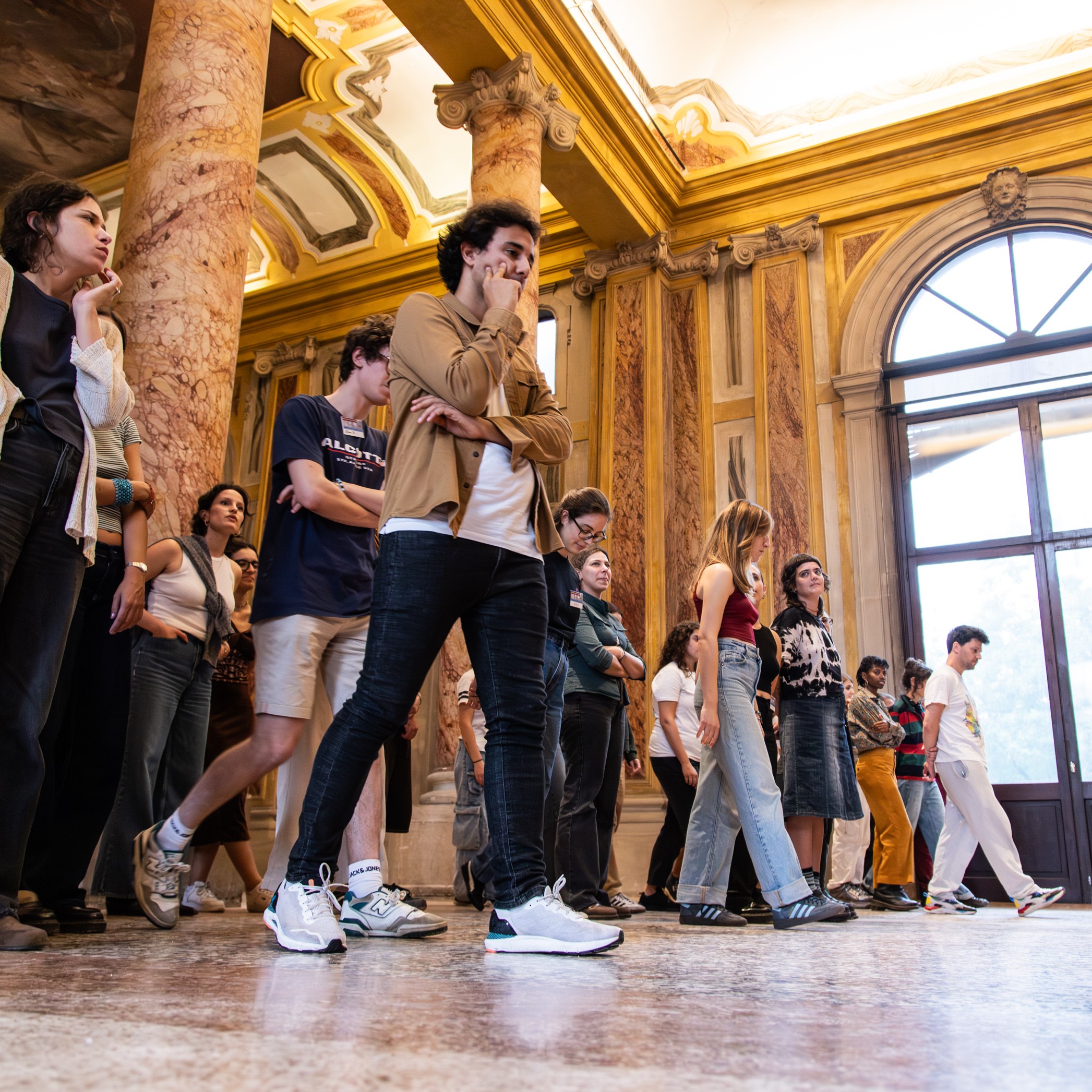
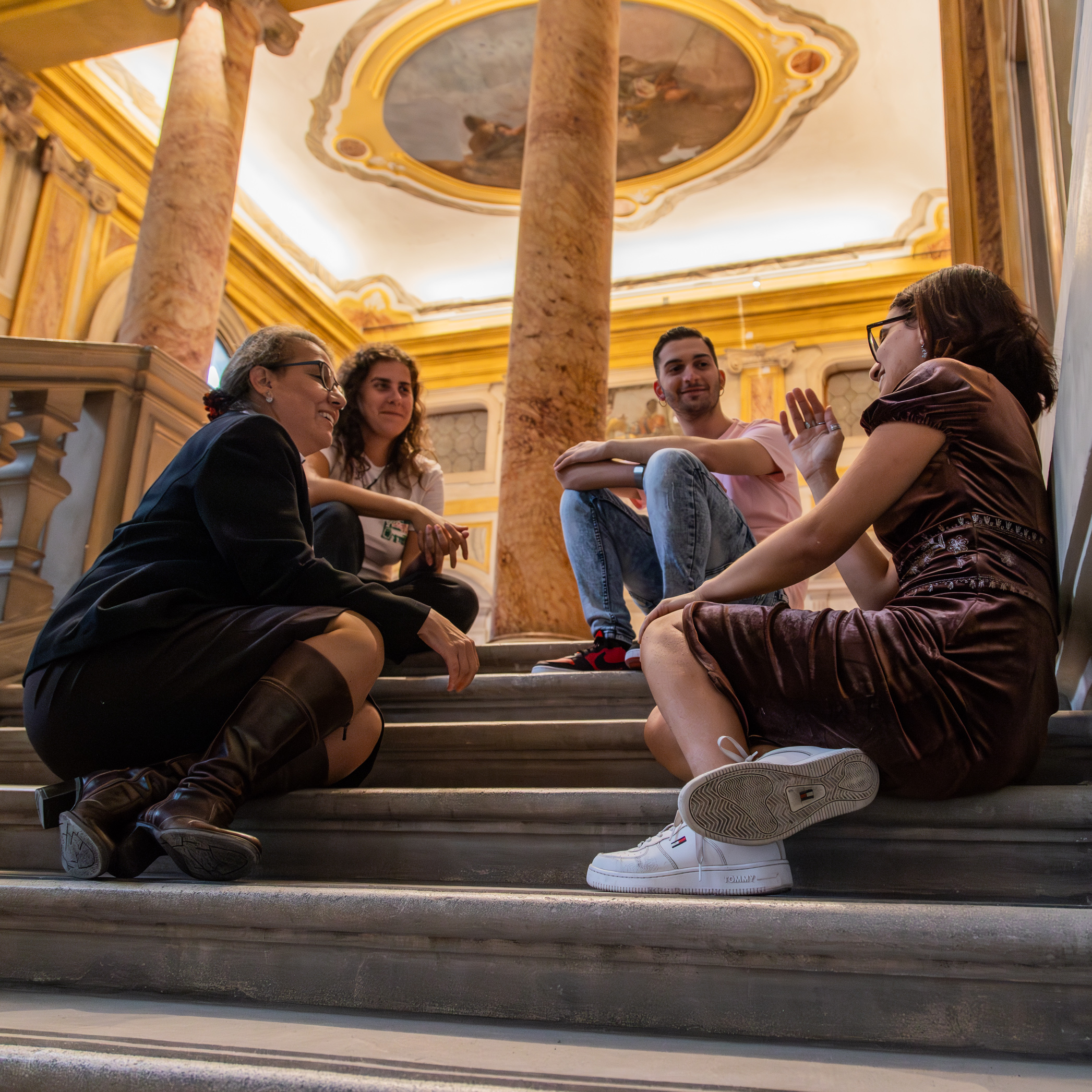
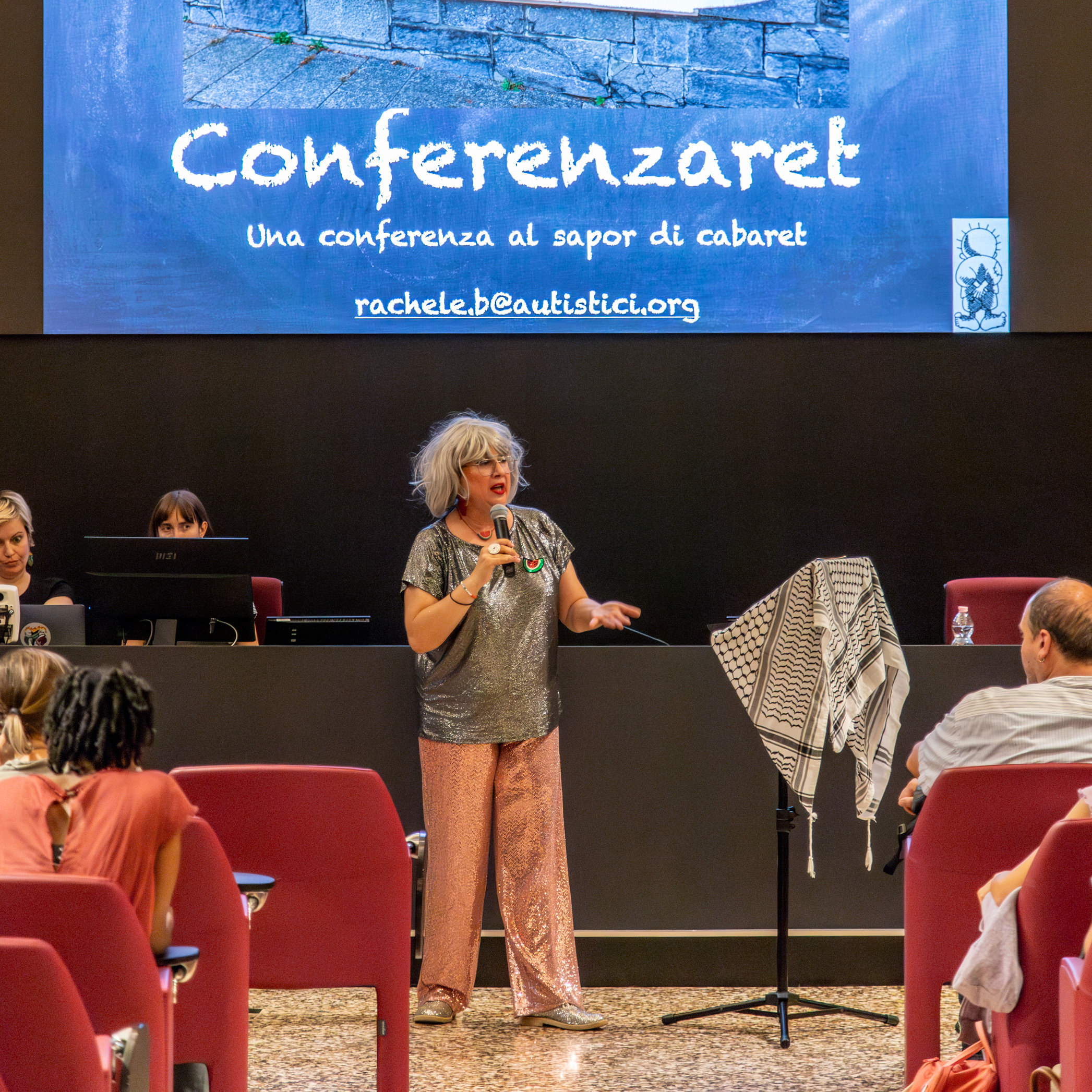
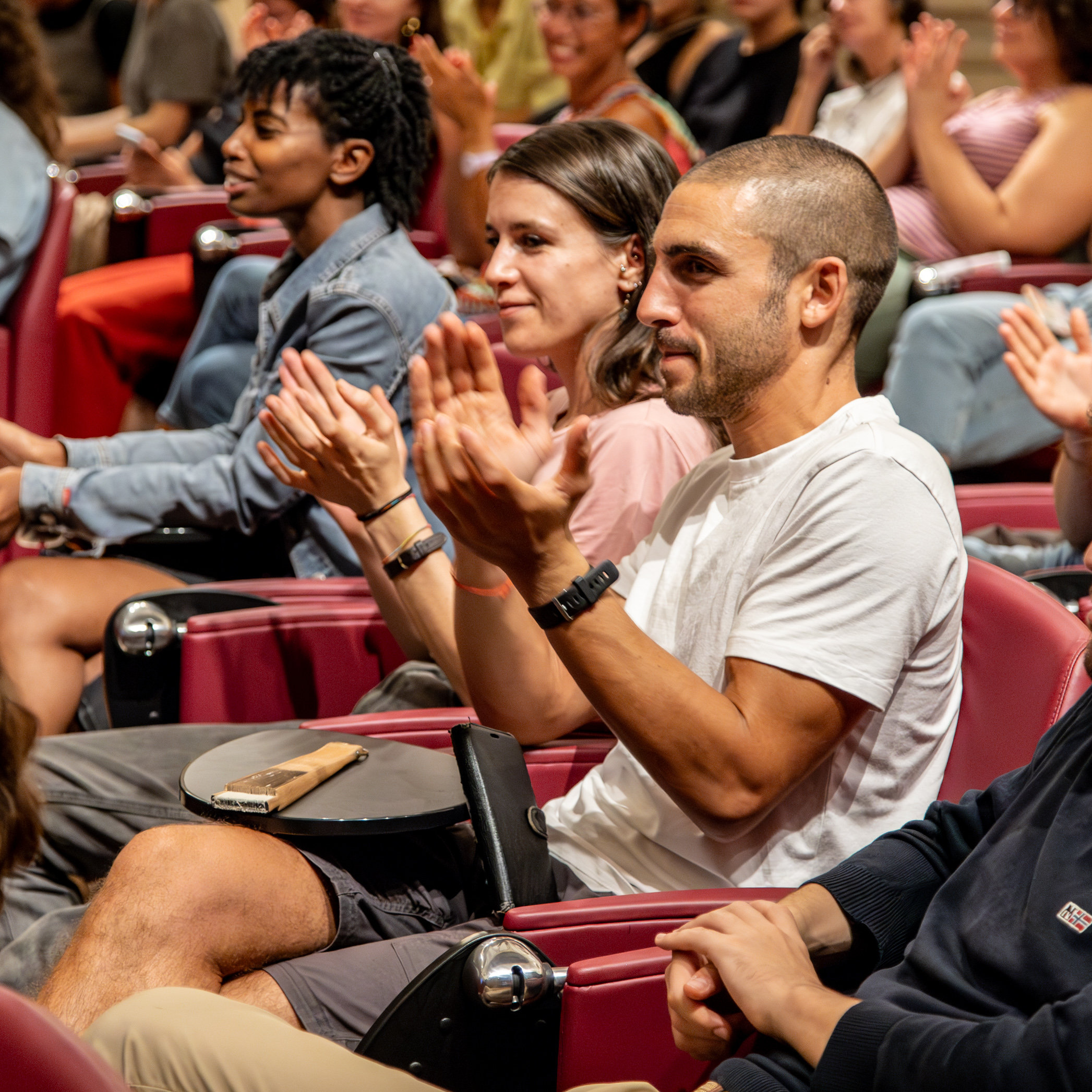

Guest Speakers
Gaia Giuliani – Institute of Contemporary History NOVA School of Social Sciences and Humanities / IN2PAST
Keynote: Monday 6 July 2026, 5:30 PM
Dr. Gaia Giuliani is a political philosopher & cinema studies scholar. She is an associate researcher (permanent position)/Investigadora Auxiliar (carreira) at the Institute of Contemporary History, NOVA School of Social Sciences and Humanities / IN2PAST — Associate Laboratory for Research and Innovation in Heritage, Arts, Sustainability and Territory. Her fields of expertise include: Postcolonial studies, Critical race theory, Cultural studies, and Gender studies across Political philosophy, Contemporary history, Visual studies & Cinema. Among her more recent publications: Zombi, alieni e mutanti. Le paure dall’11 settembre ad oggi (Le Monnier/Mondadori education 2016), Race, Nation, and Gender in Modern Italy: Intersectional Representations in Visual Culture (Palgrave Macmillan 2019), Monsters, Catastrophes and the Anthropocene. A Postcolonial Critique (Routledge 2021)
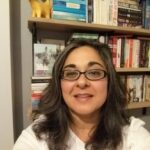
Priya Sharma – writer
Lecture: Tuesday 7 July 2026, 10 AM
Priya Sharma is a contemporary British writer best known for her horror and weird fiction stories, characterized by an evocative and often deeply emotional style. Born in the United Kingdom and of Indian descent, her cultural identity significantly influences the themes of her fiction, which frequently explores a sense of belonging, loss, desire, and human relationships through a fantastical and unsettling lens. Sharma first made a name for herself in the world of short fiction, publishing stories in prominent fantasy magazines and anthologies. Her work has received widespread critical acclaim, leading her to win major awards: She is the recipient of several British Fantasy Awards and Shirley Jackson Awards, as well as a World Fantasy Award. She is a Locus Award and a Grand Prix de l’Imaginaire finalist. Her work has appeared in venues such as Tor.com (now Reactormag.com), Interzone, Black Static, and Weird Tales. Among her best-known works is the collection All the Fabulous Beasts, which showcases her ability to blend horror elements with lyrical and intense prose. Priya Sharma’s writing is acclaimed for its psychological depth and her ability to create evocative atmospheres in which the supernatural intertwines with authentic human experiences. Today she is considered an original and influential voice in contemporary horror fiction. She lives in the UK, where she works as a medical doctor.

Giovanna Rivero – writer
Lecture: Wednesday 8 July 2026, 10 AM
Giovanna Rivero (Bolivia) holds a Ph.D. in Latin American Literature from the University of Florida. She is the author of the short story collections Para comerte mejor (2015), Tierra fresca de su tumba (2020)—chosen by critics and writers as the best Bolivian book of the first quarter of the 21st century, and whose English translation was a finalist for the Queen Sofía Prize. She also authored Un resplandor (2025), as well as the novels 98 segundos sin sombra (2014), adapted for the screen by Juan Pablo Richter, and Alma oscura del alba (2025). She was selected by the Guadalajara International Book Fair as one of the “25 best-kept literary secrets of Latin America” (2011). She is an assistant professor in the Department of Spanish and Portuguese at the University of Iowa, where she teaches literature and creative writing.

Roberto Mazzini – teacher
Workshop: Thursday 9 July 2026, 10 AM
Roberto Mazzini, founder of Giolli (1992) and a former elementary school teacher, has gained experience in various theatrical disciplines, ranging from Third Theater to mime and Commedia dell’Arte, as well as in nonviolent, bioenergetic, and psychodramatic training.
He holds a degree in Psychology and later trained in biosystemic therapy with Jerome Liss. He leads workshops using the methods of Boal (Theater of the Oppressed) and Freire (Pedagogy of the Oppressed), and coordinates and supervises various Giolli projects.
He has written articles and contributed to books on the Theater of the Oppressed method and its applications in various fields.
As a trainer, he has worked in psychiatry, prisons, and schools, both with disadvantaged groups and with the staff of these institutions.
He has also served as coordinator for several European projects led by Giolli, such as Fratt (against racism), Fotel (against early school leaving), Fhofij (for the inclusion of LGBTI people in the labor market), Vivien (on violence against women), The TIP (on Islamophobia), CaaD (creative method against discrimination), Migreat! (counter-narrative on migration), and three local participatory projects in the province of Parma.

Daniele Comberiati – Université de Montpellier Paul-Valéry
Lecture: Friday 10 July 2026, 9:30 AM
Daniele Comberiati is Associate Professor in Italian Studies. His research interests include Migrant and Postcolonial Italian Literature and Culture, Contemporary Italian Literature, Italian Science Fiction, and Italian Comics. He published with Simone Brioni Italian Science Fiction. The Other in Literature and Film (Palgrave Macmillan, 2019) and Ideologia e rappresentazione. Percorsi attraverso la fantascienza italiana (Mimesis, 2020). On Italian Comics, he published the book Un autre monde est-il possible? Bandes dessinées et science-fiction en Italie, de l’enlèvement d’Aldo Moro jusqu’à aujourd’hui (1978-2019) (Quodlibet, 2019). With Barbara Spadaro, he co-edited Transnational Italian Comics (Routledge, 2026). As a writer, he published with the photographer Eugenio Barzaghi L’uomo dall’altro mondo. Fantascienza di un’Italia (im)possibile (DeriveApprodi, 2025).

Marco Malvestio – Università degli Studi di Padova
Lecture: Friday 10 July 2026, 11:30 AM
Marco Malvestio is Assistant Professor of Comparative Literature at the University of Padua. He was a Postdoctoral Fellow at the University of Toronto and an EU Marie Skłodowska-Curie Postdoctoral Fellow at the University of Padua and at the University of North Carolina at Chapel Hill. He has published four monographs: The Conflict Revisited: The Second World War in Post-Postmodern Fiction (Peter Lang, 2021); Raccontare la fine del mondo: Fantascienza e Antropocene (nottetempo, 2021); The Ecology of Italian Science Fiction (University of Toronto Press, 2025); Ruin Ecology. An Exercise in Environmental Imagination (Cambridge University Press, 2025).
Schedule
MONDAY 6 JULY, 2026
10 am – 1 pm
Workshop: Introductory Pills
@ Meeting Room
1 – 2 pm
Lunch
@ Chiostro
2 – 5 pm
Workshop: Introductory Group Activity on the Keywords of Postcolonial Horror
@ Meeting Room
5 – 5:30 pm
Coffee Break
@ Chiostro
5:30 – 7:30 pm
Keynote speaker – Gaia Giuliani
@ Room 1
Monsters, catastrophes and the Anthropocene. For a postcolonial critique of bio- and necropolitical horrors.
In my lecture, I will address a critical examination of the dominant narratives of the Anthropocene, and reconsider the intersections of power and the enduring influence on them of colonial and racist discourses. My analysis begins with a reflection on the relationship between the bio- and necropolitical horrors of racial capitalism, on the one hand, and the modern and contemporary colonial archives of race, on the other. This approach seeks to reveal how discourses produce material violence, and how, in turn, material violence enacted upon people and environments reproduces racist narratives. One of the bio/necropolitical performative devices enabling such violence is the border—understood as a social and historical construct emerging from acts of bordering and Othering. My argument is that today, a specific border separating “places of disaster” from places for disaster” on a global scale, functions to reproduce colonial and racist categories, imaginaries, and narratives that distinguish a “We” to be saved from catastrophe from a “They” (including nature) to be sacrificed for the benefit of that “We.” Finally, through a historicized analysis of the modern and contemporary figure of the fugitive as a “monster”— a figure that generates moral panic and serves to delegitimize certain human and non-human forms of life—my reflection seeks to contribute to current debates on monstrification, necropolitics, racial capitalism, and their epistemologies.
8 pm
Welcome Party
@ La Forma del Libro
TUESDAY 7 JULY, 2026
10 am – 12:30 pm
Anglophone Literatures
Lecture – Priya Sharma
@ Room 2
Immigration Stories: Writing Family Histories in Horror and Speculative Fiction
My talk will explore how personal and family history has shaped my fiction, particularly the ethnicity and cultural factors that have acted as a counterpoint to the homogenised perception of migrant groups. I will discuss my experience as a medical doctor and its synergy with my work as an author, as well as health inequalities, ethnicity, Empire Windrush, and the UK’s National Health Service. I will also touch upon the city of Liverpool and examples of how it has addressed its postcolonial legacy. Horror and speculative fiction are a valuable space to examine the otherness of the immigrant experience. I will demonstrate how my fiction uses subverted bodies, hybridisation, and monstrosity to explore otherness, be it via disability, illness, reproductive issues, family dysfunction and abuse. The main focus of this will be on A Short History of My Mother, a story of cultural otherness, and how identity functions in transition from place to place, and its syncretic nature.
12:30 – 2 pm
Lunch
@ Chiostro
2 – 3:30 pm
Anglophone Literatures
Part I
Who’s the Monster? Decolonizing Zombies and Vampires in the Afterlives of Colonial Violence – Francesca Furlan & Alice Salion
@ Room 13
3:30 – 4 pm
Coffee Break
@ Chiostro
4 – 5:30 pm Anglophone Literatures Part II
Workshop: Postcolonial Horror Movies – Francesca Furlan & Alice Salion
@ Room 13
WEDNESDAY 8 JULY, 2026
10 am – 1 pm
Latin American Literatures Part I
@ Room 1
10:00–11:00 Workshop on Latin American vampire stories
11:00–12:30 “Sucking the Vampire: La transculturación vampírica de Giovanna Rivero” – Francesco Fasano
The non-mimetic fiction of the new millennium, or the fantastic of globalization (Bizzarri), exposes and problematizes the contradictions of the global world-system, showing how, in the context of the fusion of all cultural contents—centrifuged into a bland universal ajiaco—the critical potential of a transculturation, aligned with the preservation of subaltern and peripheral perspectives, loses its force. This occurs as the colonial/metropolitan polarity dissolves into the interdependence that now structures the relationship between the local and the global. Giovanna Rivero’s reworking of the Gothic archetype of the vampire in her short stories and Sangre dulce offers an opportunity to rethink Fernando Ortiz’s concept of transculturation. In Yucu, the traditional predator-prey relationship characteristic of vampire narratives is strikingly inverted: Lena, an eight-year-old girl who has just lost her last baby tooth, seduces a decrepit Moldovan foreigner and appropriates his cultural vices. In Sangre dulce, two sisters, daughters of an absent Dutch father employed as a mining engineer by a Western multinational corporation, both suffer from and are transformed by their father’s cultural extractivism. They ultimately rework it as a weapon of the weak developing sharp fangs of their own. This lecture forms part of a broader research project that explores the phenomenology of the parasitic in contemporary Spanish American literature in search of a political alternative to the violent rhetoric that currently dominates geopolitical debate.
1 – 2:30 pm
Lunch
@ Chiostro
2:30 – 6 pm
Latin American Literatures Part II
@ Room 13
2:30–4:00 p.m. Workshop on the writings of Giovanna Rivero
4:00–6:00 p.m. “Restos de vida en lo hórrido o la microscopía como subsistencia” – Giovanna Rivero
This lecture explores the microscope not only as a scientific instrument but also as an aesthetic and narrative device capable of redefining the relationship between the visible and the invisible. Drawing on literature, philosophy, biology, and media theory, Giovanna Rivero introduces the concept of microiconophilia to describe a poetics centered on the microscopic dimensions of living matter. Cells, viruses, microbes, and genetic modification become narrative tools through which to examine memory, motherhood, power, totalitarianism, and posthuman futures. The lecture also addresses the intersections between biotechnology, artificial intelligence, and speculative fiction, arguing that contemporary literature provides a privileged space for critically imagining emerging forms of life and technology. Through readings of her own fiction and engagement with thinkers such as Michel Foucault, Donna Haraway, Katherine Hayles, and Emanuele Coccia, Rivero presents literature as a practice that makes invisible biological processes perceptible while challenging conventional understandings of humanity, identity, history, and the material foundations of life.
THURSDAY 9 JULY, 2026
10:00 – 12:30
Theater of the oppressed workshop Part I – Roberto Mazzini
@ Carichi Sospesi
12:30 – 2:00 pm
Lunch
2 – 5 pm
Theater of the oppressed workshop Part II – Roberto Mazzini
@ Carichi Sospesi
FRIDAY 10 JULY, 2026
9:30 – 11 am
Comparative Literatures
Lecture – Daniele Comberiati
@ Room 2
The “Unexpected” Horror: Postcolonial Memories in Contemporary Italian Literature
The horror genre, with its monsters, specters, and ghosts, easily lends itself to a postcolonial reading. But what happens when the conventions of horror “invade” apparently realist narratives? In my presentation, I will discuss four postcolonial Italian novels —Sabrina Efionayi’s Padrenostro (2024), Mohamed Maalel’s Baba (2023), Emanuela Anechoum’s Tangerinn (2024), and Nadeesha Uyangoda’s Acqua sporca (2025)— to show how, despite presenting themselves as realist narratives, these texts draw on numerous conventions of classic horror. For each of these novels, we will present one or more horror conventions: the isolated room, the figure of the double, the closed door, the liminal space between the living and the dead. The aim is to analyze how, even in a context apparently far from the supernatural, the systemic violence revealed by postcolonial, intersectional, and ecological perspectives lead the reader into a space that necessarily transcends classical realism.
11 – 11:30 am
Coffee Break
@ Chiostro
11:30 – 12:30 pm
Comparative Literatures Part II – Marco Malvestio
@ Room 2
Mourning in America. The Ruins of Detroit in Contemporary Horror Cinema
This paper takes into account a privileged subject in contemporary representations of ruins, the city of Detroit, whose progressive urban decay, due to a combination of infrastructural collapse and de-industrialization, has become the epitome of mournful ruminations on the decline of the American empire, even in official contexts. Detroit’s ruins have been metabolized in our imagery to such an extent that they can function as the backdrop for horror movies like Only Lovers Left Alive (2013), It Follows (2014) and Don’t Breathe (2016), repurposing the Gothic component of ruins – with the crucial difference that here vampires and monsters do not find refuge among the derelict remnants of a long-gone world, but in everyday houses and buildings, as can be found in most American towns. This spectral take on a post-industrial environment is also reflected in the work of photographers Andrew Moore and Yves Marchand and Romain Meffre, whose depictions of ruined areas of Detroit reflect and adjourn Romantic and Gothic aesthetics.
12:30 – 13:30 pm
Closing remarks
@Room 2
Registration
For tips on student accomodation options please contact international.dissl@unipd.it
Registration is now closed. Thank you!
Organising Committee
Annalisa Oboe – Università degli Studi di Padova
Annalisa Oboe is Professor of Anglophone literatures and postcolonial studies at DiSLL, University of Padova. She is the founder and Editor-in-Chief of the scientific journal From the European South: a transdisciplinary journal of postcolonial humanities and the founder and Director of the ‘Elena Cornaro’ Centre for gender studies and policies of the University of Padova. Her research focuses on postcolonial literatures and cultures; Black Atlantic studies; Anglophone women’s writing; South African and West African fiction; historical novels and historiographic metafiction; literature, ethics and collective futures. Latest publication: Chris Abani, CONTEMPORARY WORLD WRITERS (Manchester University Press, 2022).
Gabriele Bizzarri – Università degli Studi di Padova
Gabriele Bizzarri is professor of Hispanic-American Literature at the University of Padua and editor of Orillas. Journal of Hispanistics. His research focuses on the construction of Latin American cultural identity, in a chronological perspective which sets the era of the great identity theories and narrative macro-foundations of the mid-twentieth century in dialogue with the deconstructionist drifts of the late twentieth century and with the embattled re-actualizations of the contemporary (with a series of works devoted, for example, to Bolaño’s “Latin American vision”). His interest in queer studies is also declined in this vein throughout his latest book (Performar Latinoamérica. Estrategias queer de representación y agenciamiento del Nuevo Mundo en la literatura hispanoamericana contemporánea, 2020), where the performative resurrection of localist resistance in authors such as Pedro Lemebel, Diamela Eltit, and Roberto Bolaño is highlighted. He is currently working on a book on new Latin American weird fiction.
Luigi Marfè – Università degli Studi di Padova
Luigi Marfè is Associate Professor of Comparative Literature and Literary Theory at the University of Padua. His research interests include travel writing, visual culture, and translation studies. He is the author of Oltre la ‘fine dei viaggi’ (Olschki 2009), Introduzione alle teorie narrative (Archetipo 2011), ‘In English clothes’. La novella italiana in Inghilterra (Accademia 2015), and ‘Un altro modo di raccontare’. Poetiche e percorsi della fotoletteratura (Olschki 2021). He translated several volumes into Italian (W. Shakespeare’s Titus Andronicus, Bompiani 2015; R.L. Stevenson’s Songs of Travel (ETS 2019). He is on the editorial board of Cosmo: Comparative Studies in Modernism.
Francesco Fasano – Università degli Studi di Padova
Francesco Fasano is a researcher in Latin American literature at the University of Padua. He holds a degree in Medicine and Anthropology. His research interests include the representation of illness in literature, the fantastic aspects of globalization, and contemporary Latin American weird fiction, as well as narratives of the end of the world from a peripheral perspective. A recurring theme in his research is the intersection of postcolonial, queer, and posthuman studies from the Global South. He also focuses on the pedagogy of literature. He has published the monograph “Illness as Identity: The Epidemiological Transition in Ultra-Contemporary Latin American Literature.”
Alice Salion – Università degli Studi di Padova
Alice Salion is a PhD student in Literary Studies at the University of Padova, her project explores memoirs by Indigenous and Black women authors within contemporary Anglophone Canadian literature through a decolonial feminist lens. Her works on Indigenous women authors have been published in FES – From The European South and NiCHE, Network in Canadian History & Environment. For the past ten years, she has been teaching English in master’s degree programs in the sciences at the University of Padova and working as a literary translator from English and Spanish. Among her most recent works are Naufraghe. Racconti di Emilia Pardo Bazán (Avagliano 2022), La Biblioteca Infinita. Raccontare i Libri degli Altri (Nova Delphi 2025), and Tutto Ciò Che è Stato Per Sempre Una Sola Volta. Poesie di Eduardo Espina (Ensemble 2025).
Francesca Furlan – Università degli Studi di Padova
Francesca Furlan is a Ph.D. candidate in Literary Studies at the University of Padua, where she is conducting her research as part of the Transtext project of excellence. Her dissertation explores the intersections between processes of formation and transculturation in contemporary African diaspora fiction, with a particular focus on the ways in which identity, belonging, and subjectivity are constructed through the encounter between different cultures. Her research interests include postcolonial and diaspora literature, American Studies, and the study of literary genres, with a special focus on the Bildungsroman. She completed a research stay at the University of Leeds and earned her master’s degree with a thesis on the early works of James Baldwin.
Rebecca Della Lucilla – Università degli Studi di Padova
Rebecca Della Lucilla is a Ph.D. candidate in Linguistic, Philological, and Literary Sciences at the University of Padua, working on a project that explores narrative representations of the “magical-feminine” as strategies of performative identity resistance in the context of globalized Latin American modernity. She holds a bachelor’s degree in Languages and Literatures and Postcolonial Studies, with a thesis on the figure of the witch in contemporary Spanish-American literature. Her research focuses on the structures and themes of the ultra-contemporary fantastic and on literary representations of Latin American specificity, with a particular emphasis on the literary applications of theoretical frameworks from postcolonial and decolonial studies, gender studies, and contemporary studies.
Riccardo Lanza – Università degli Studi di Padova
Riccardo Lanza, PhD candidate in the 40th cycle of the doctoral program in Linguistic, Philological, and Literary Sciences at the University of Padua. He is currently working on a dissertation project aimed at studying the thematic and formal variations in Spanish-American frontier literature, with a particular focus on the intergeneric blending of realism and fantasy in prose from the 2000s. His hermeneutic approach aims to contextualize the political dimension of the mechanisms of “cognitive estrangement” deployed in contemporary narratives set along the Mexico-U.S. border—led by authors such as Yuri Herrera, Mayra Luna, Eduardo Antonio Parra, and Alejandro Hernández—through a textual analysis in which concepts of Latin American postcolonialism are placed in dialogue with European-derived aesthetic theories on globalization.
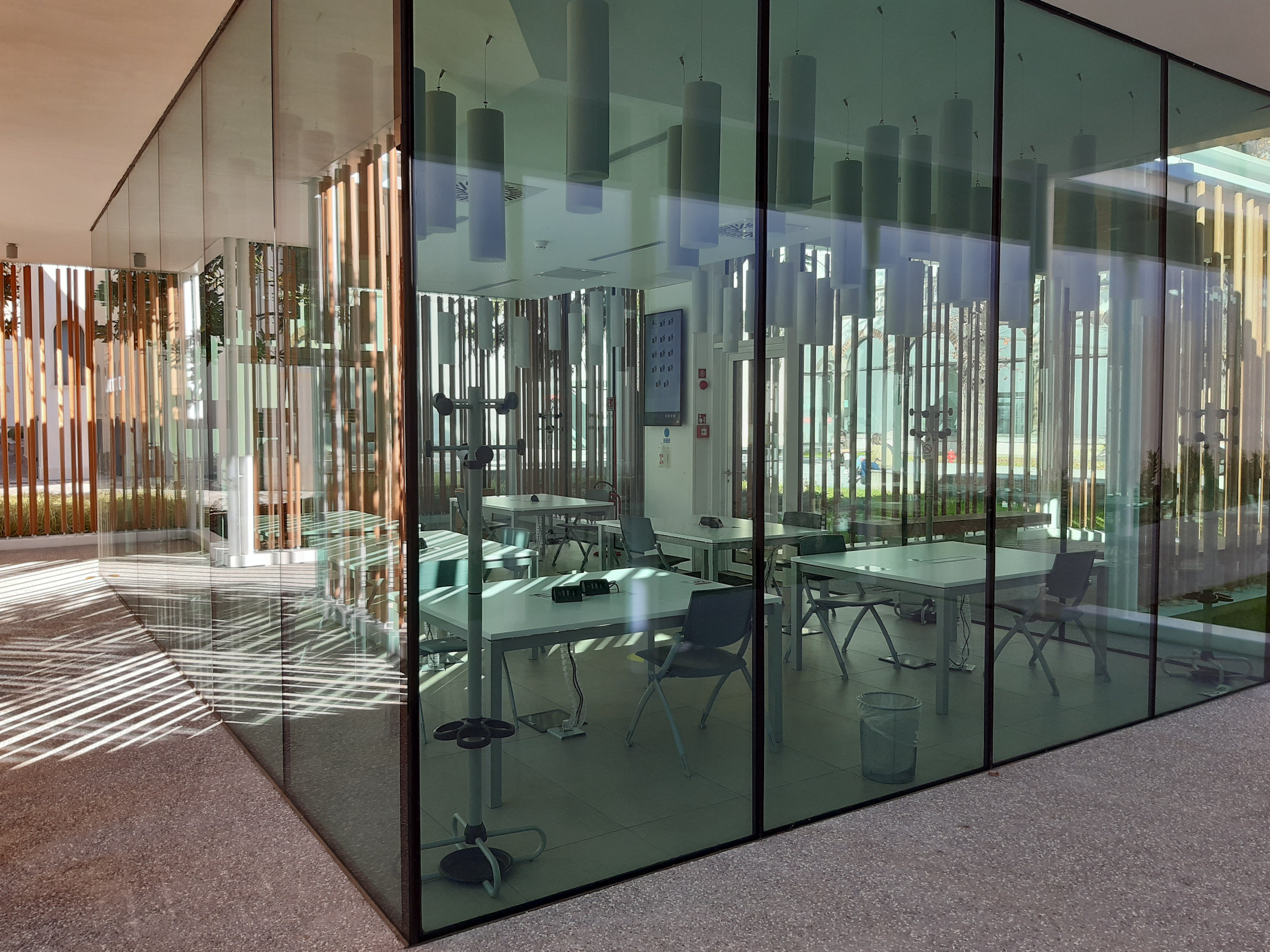
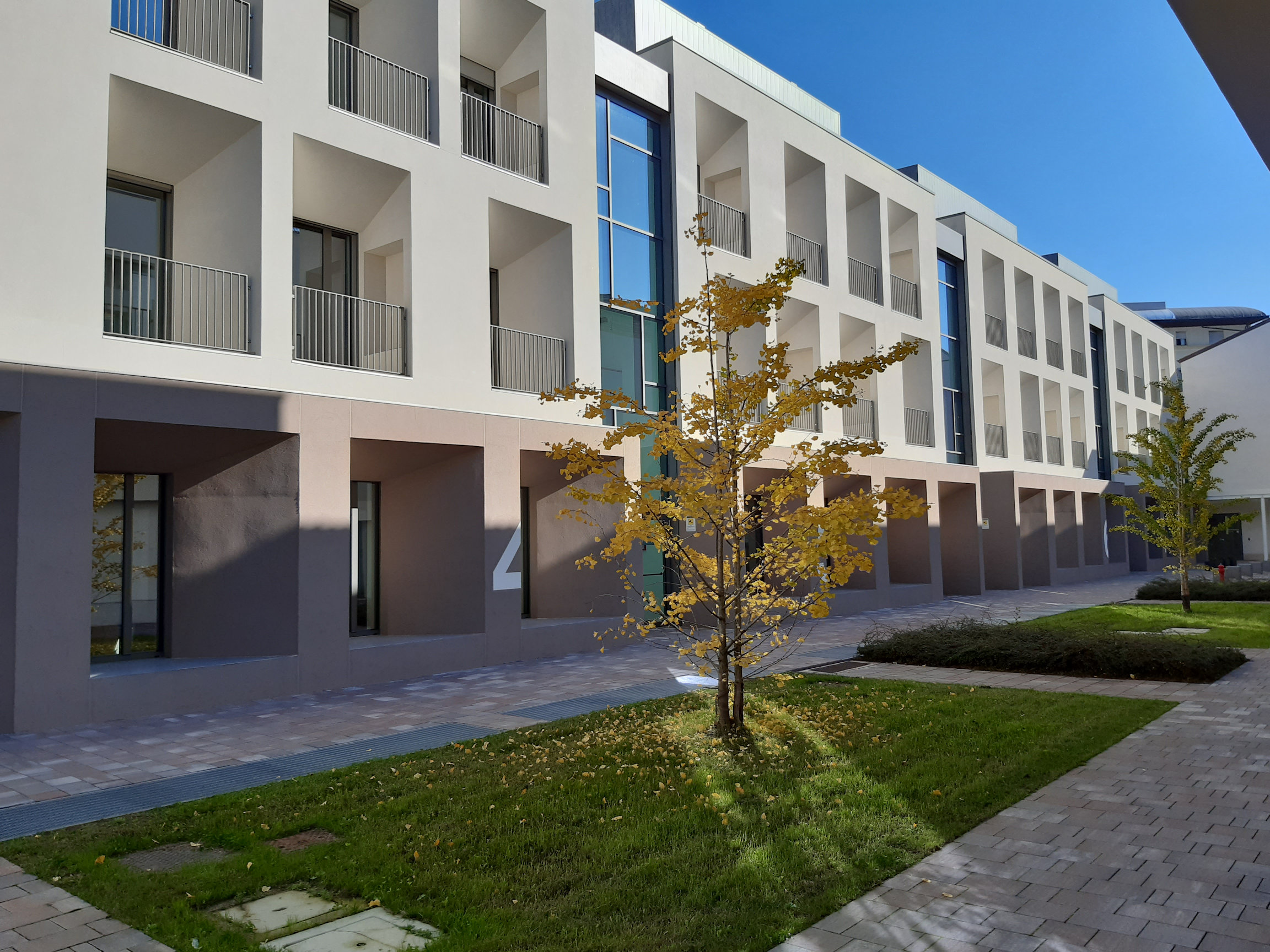
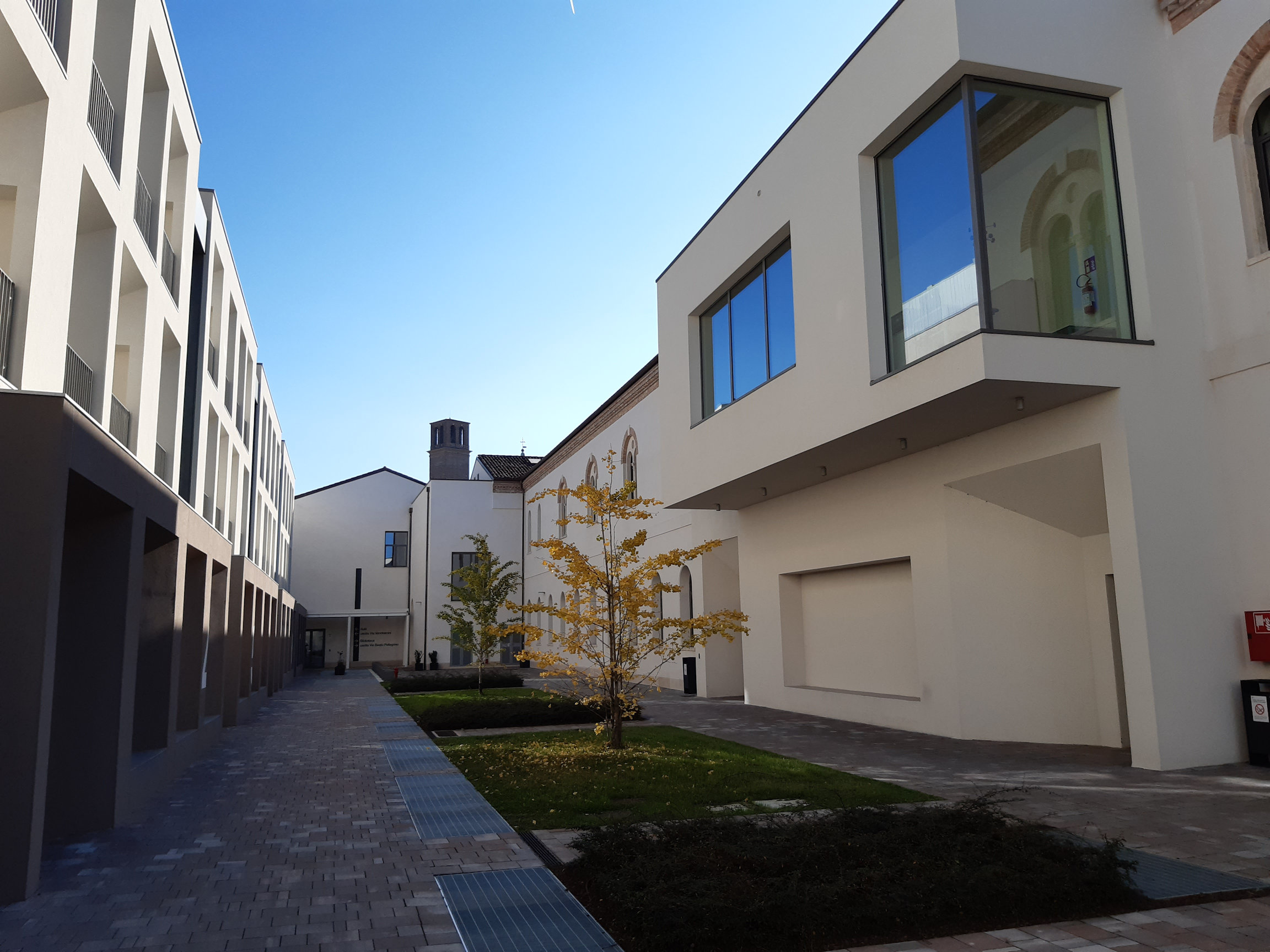
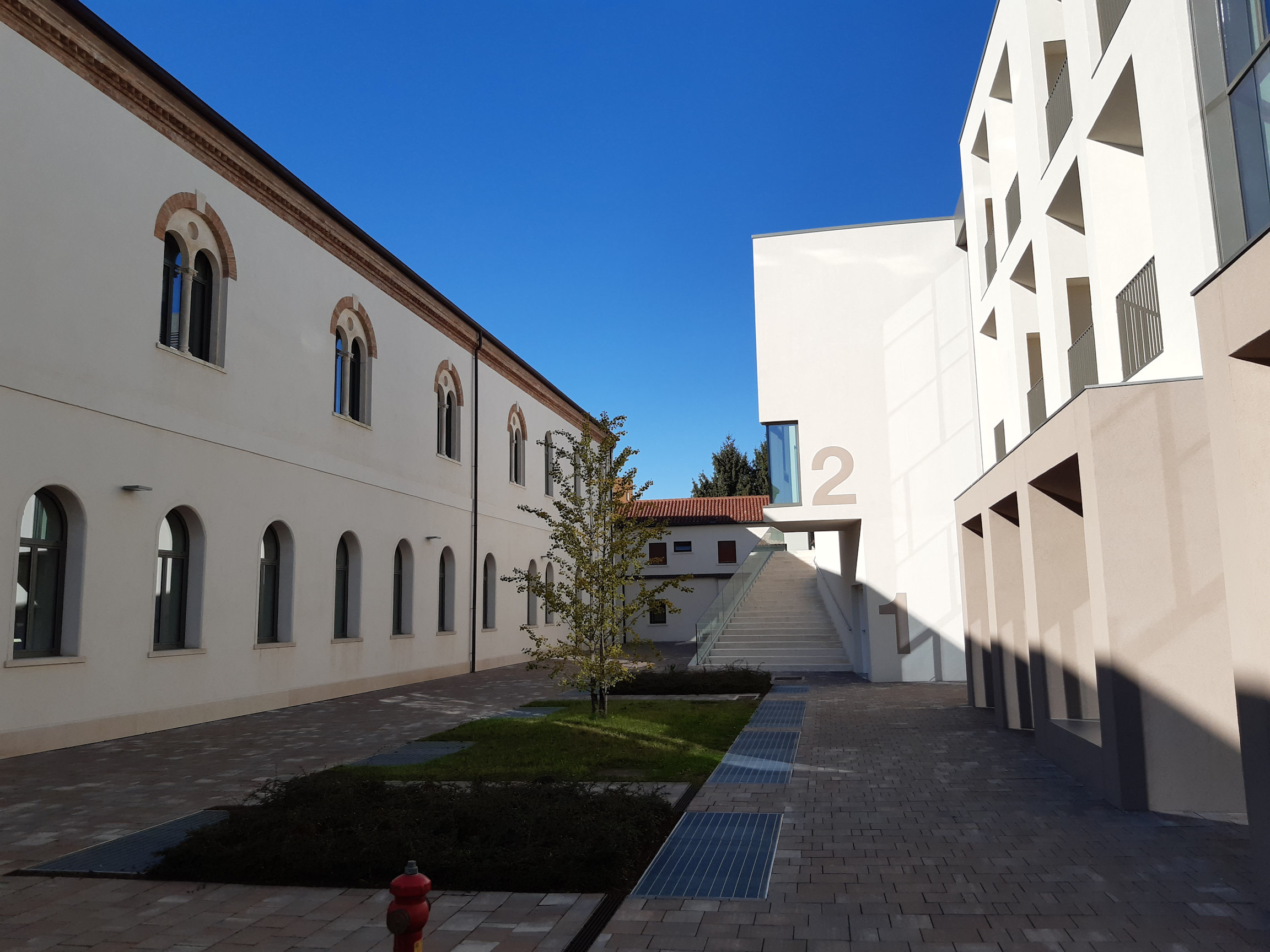
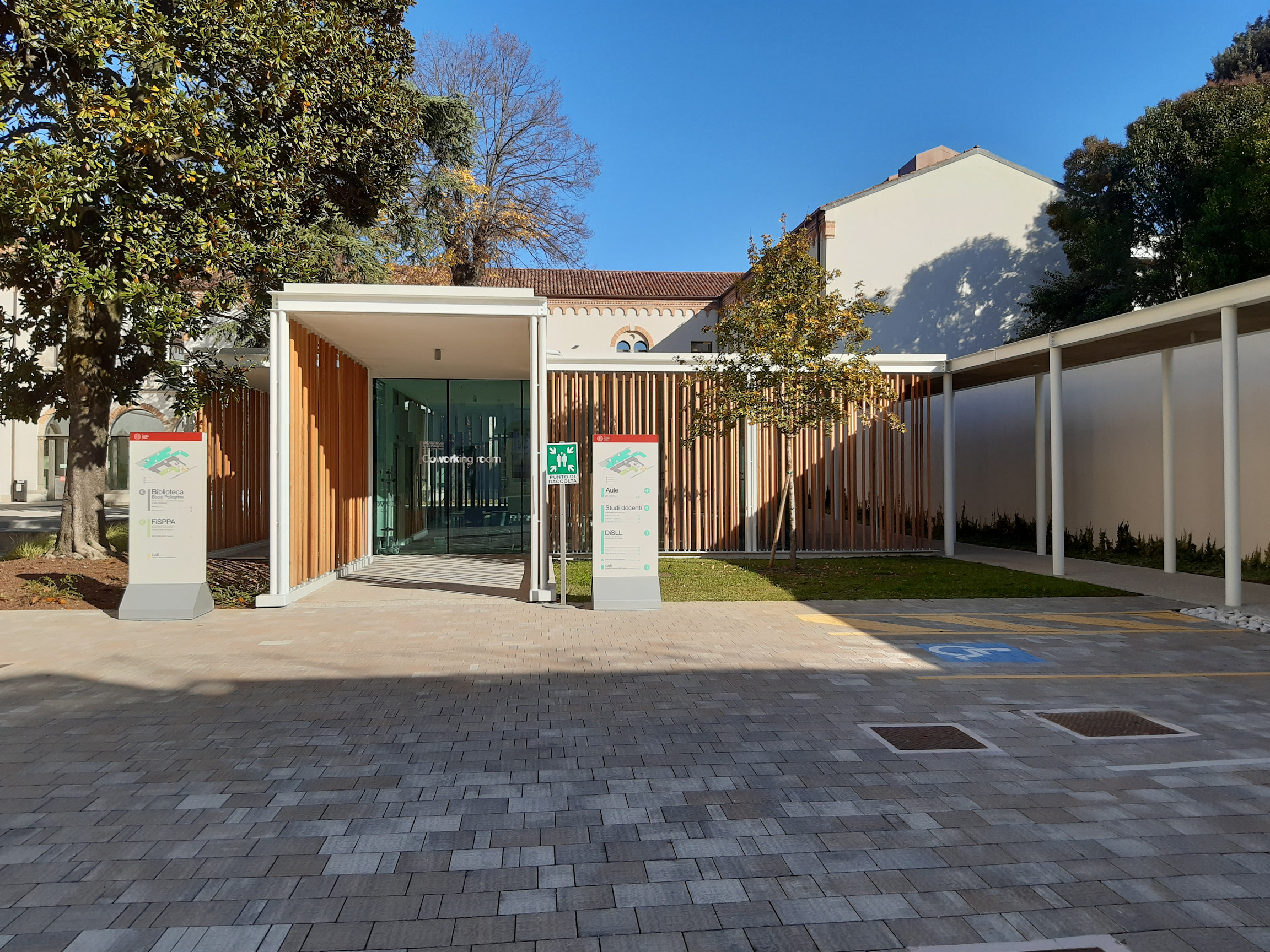
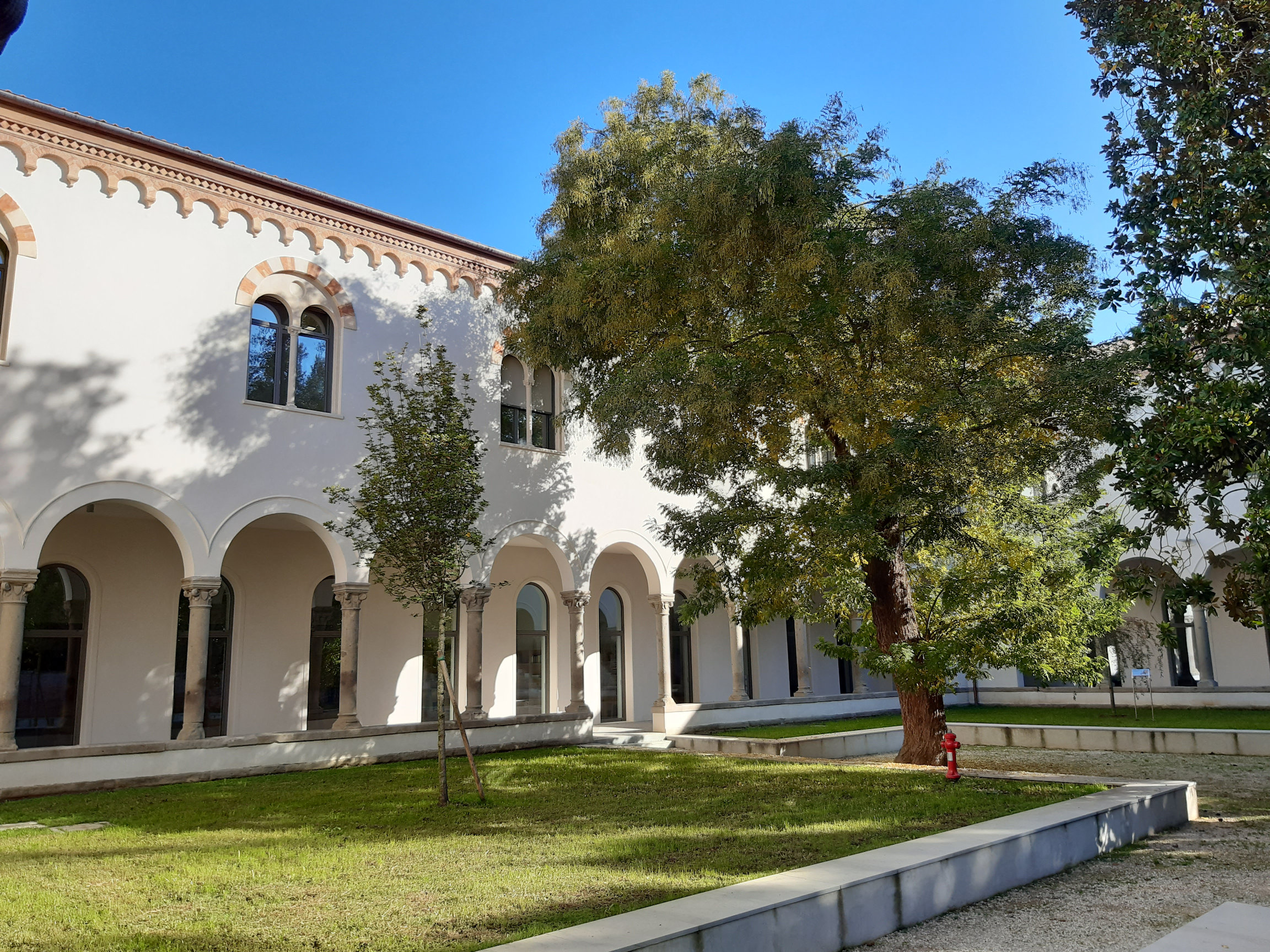
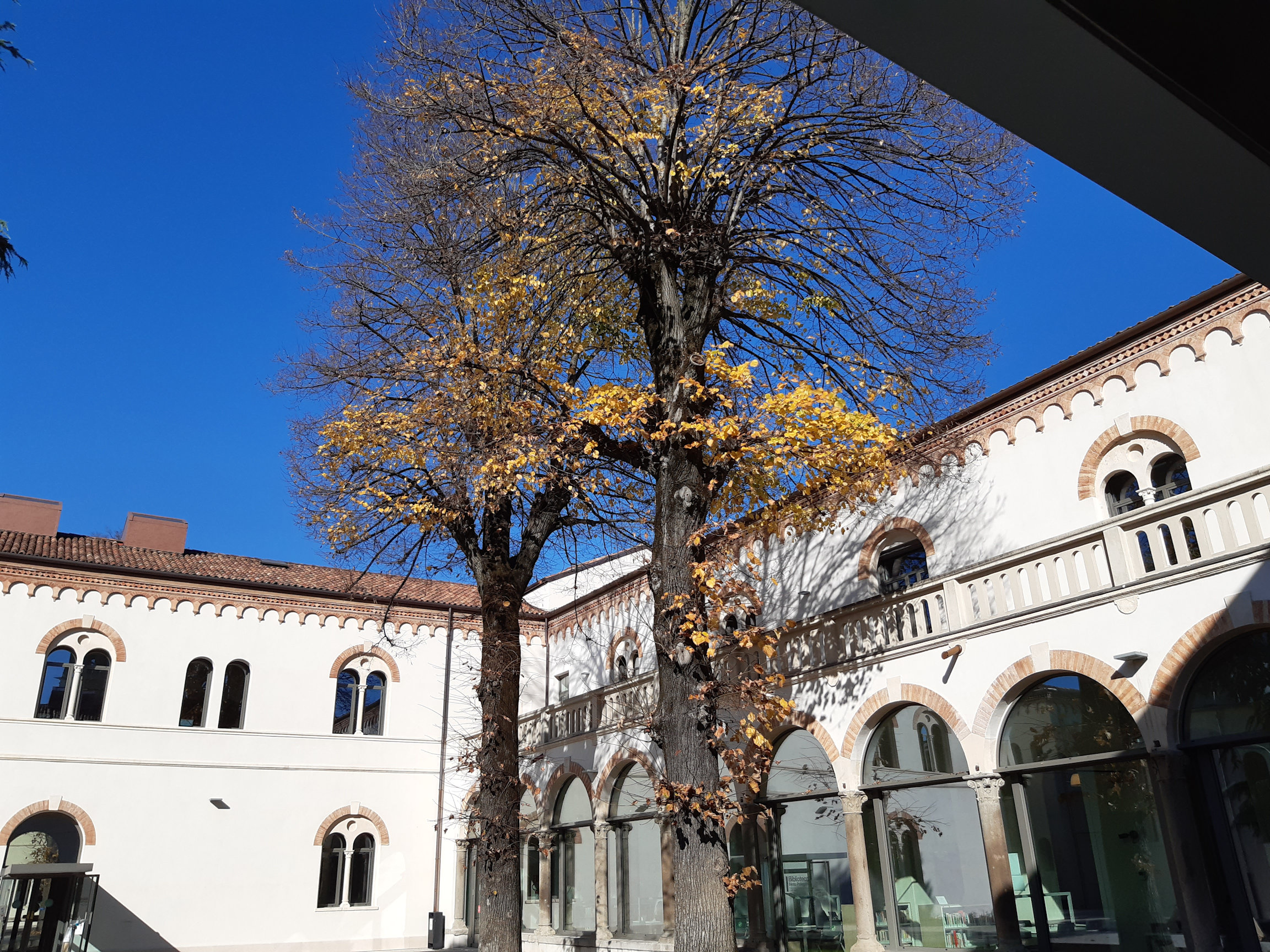
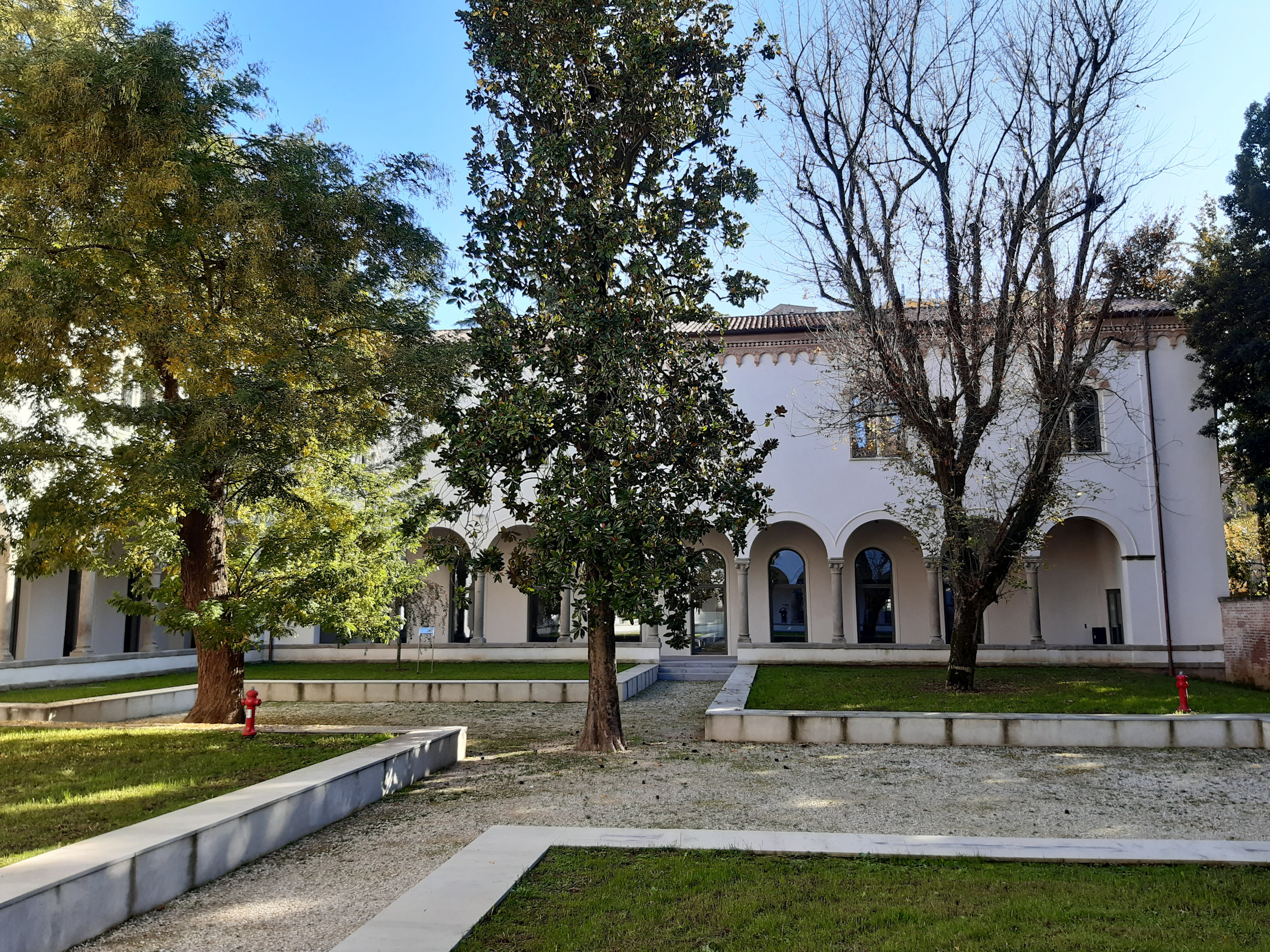
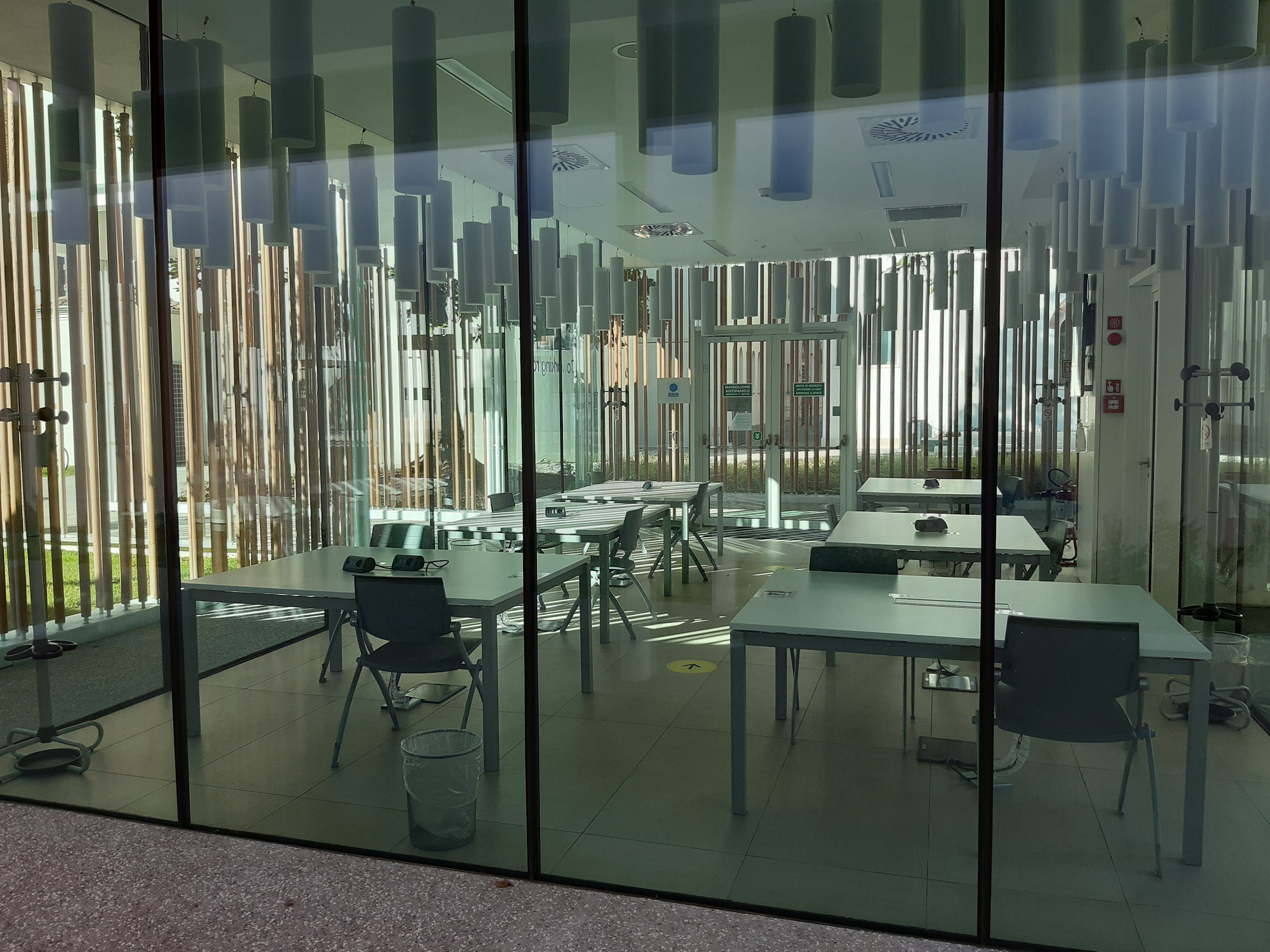
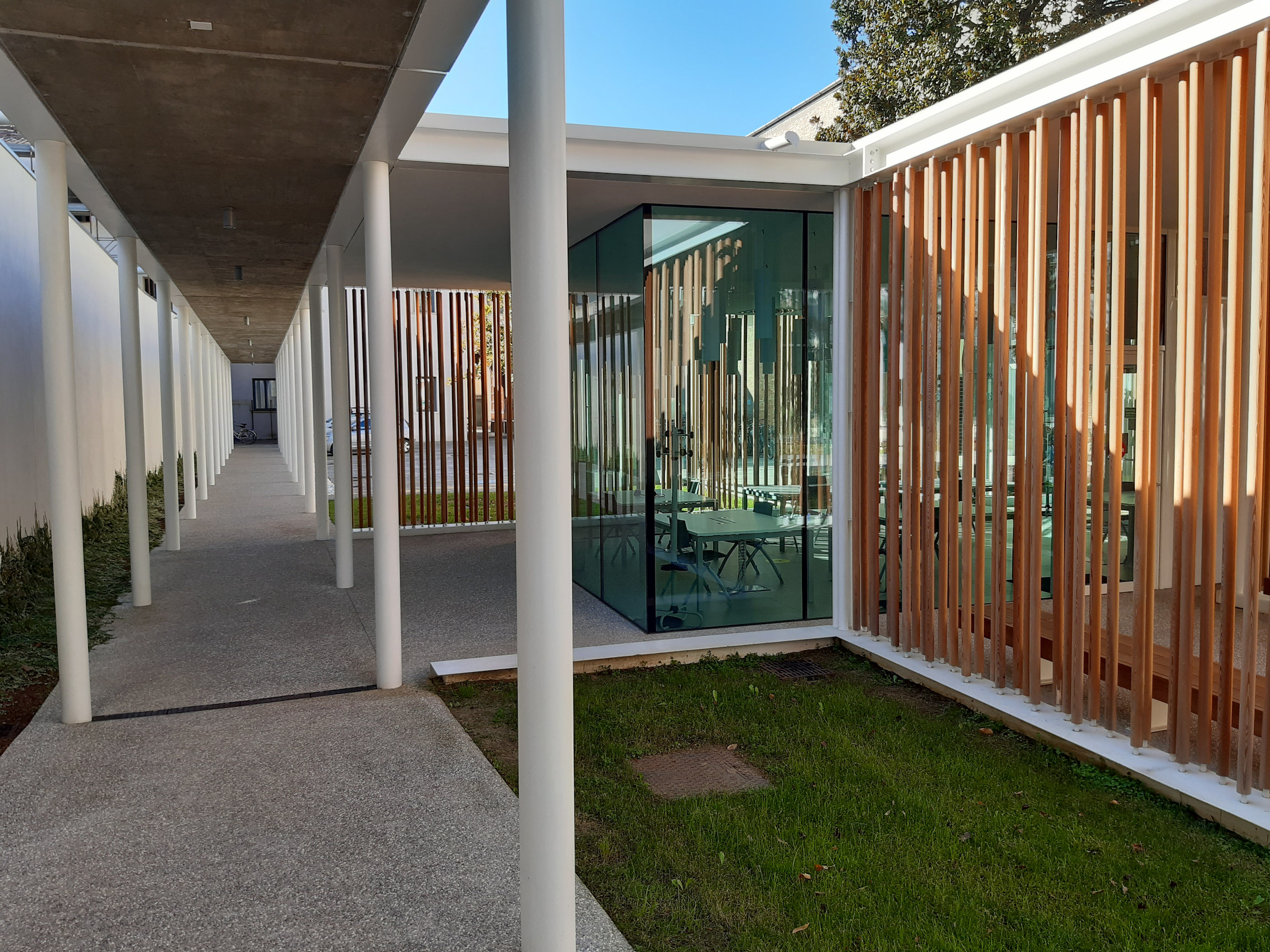
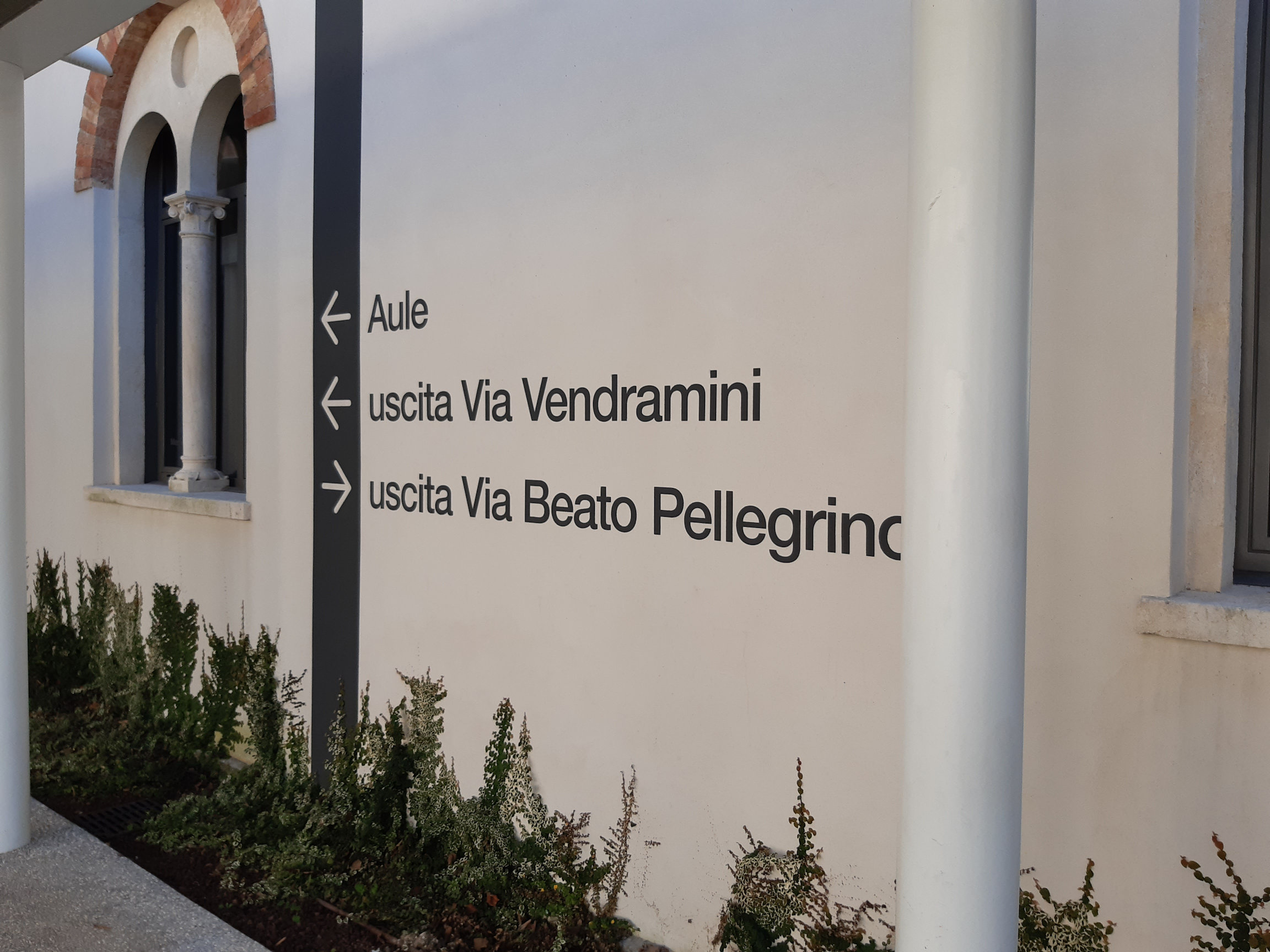
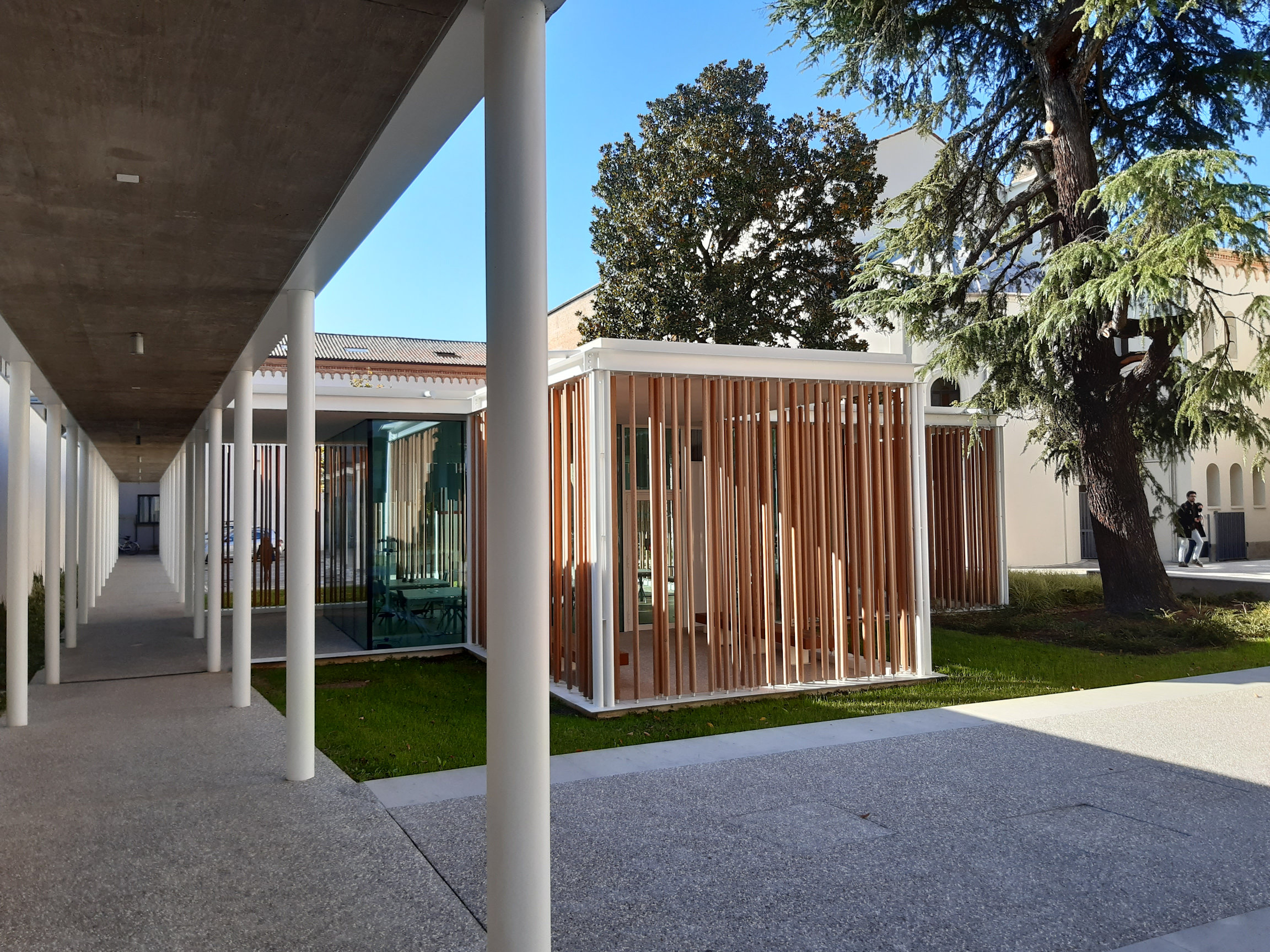
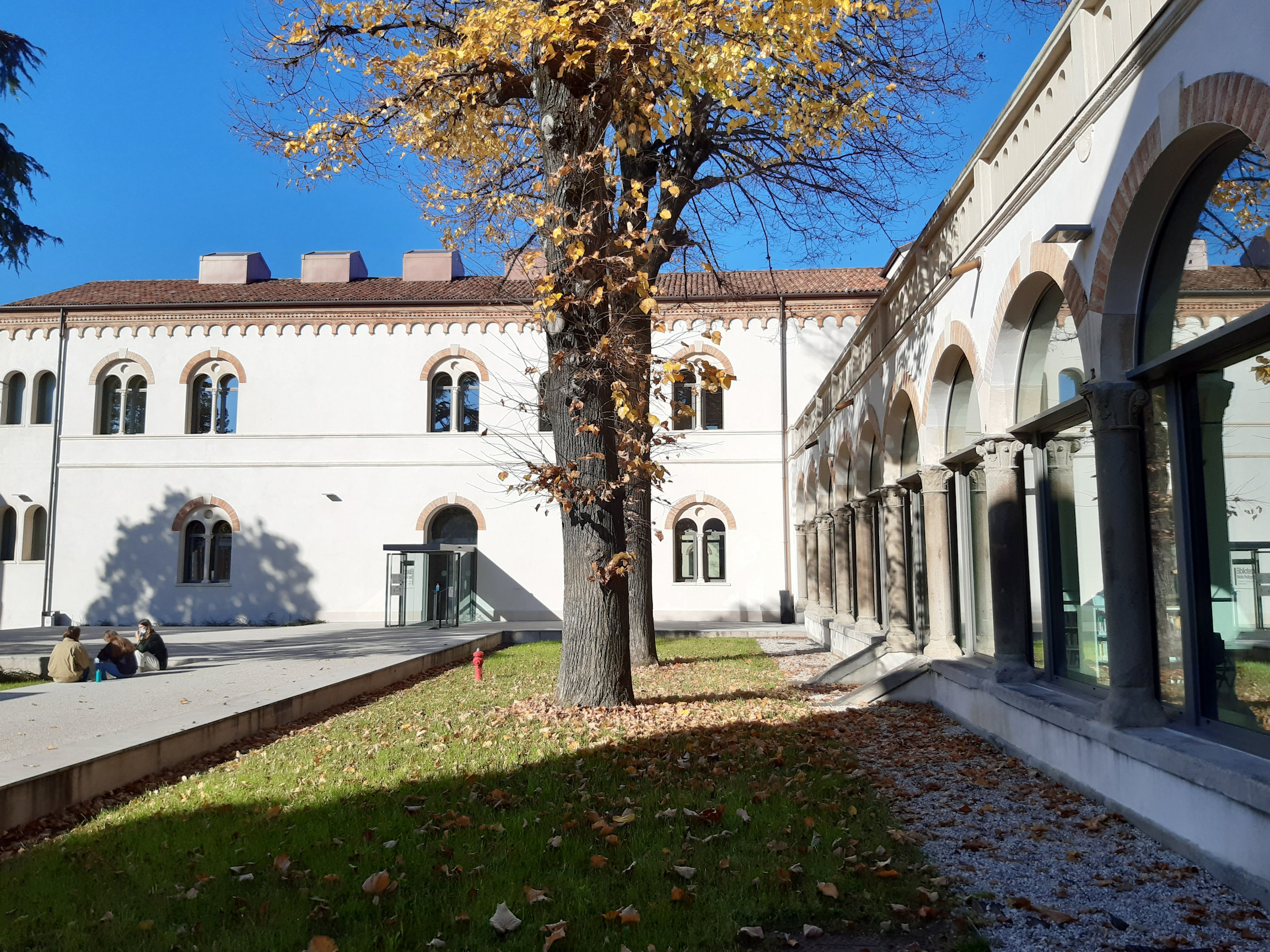
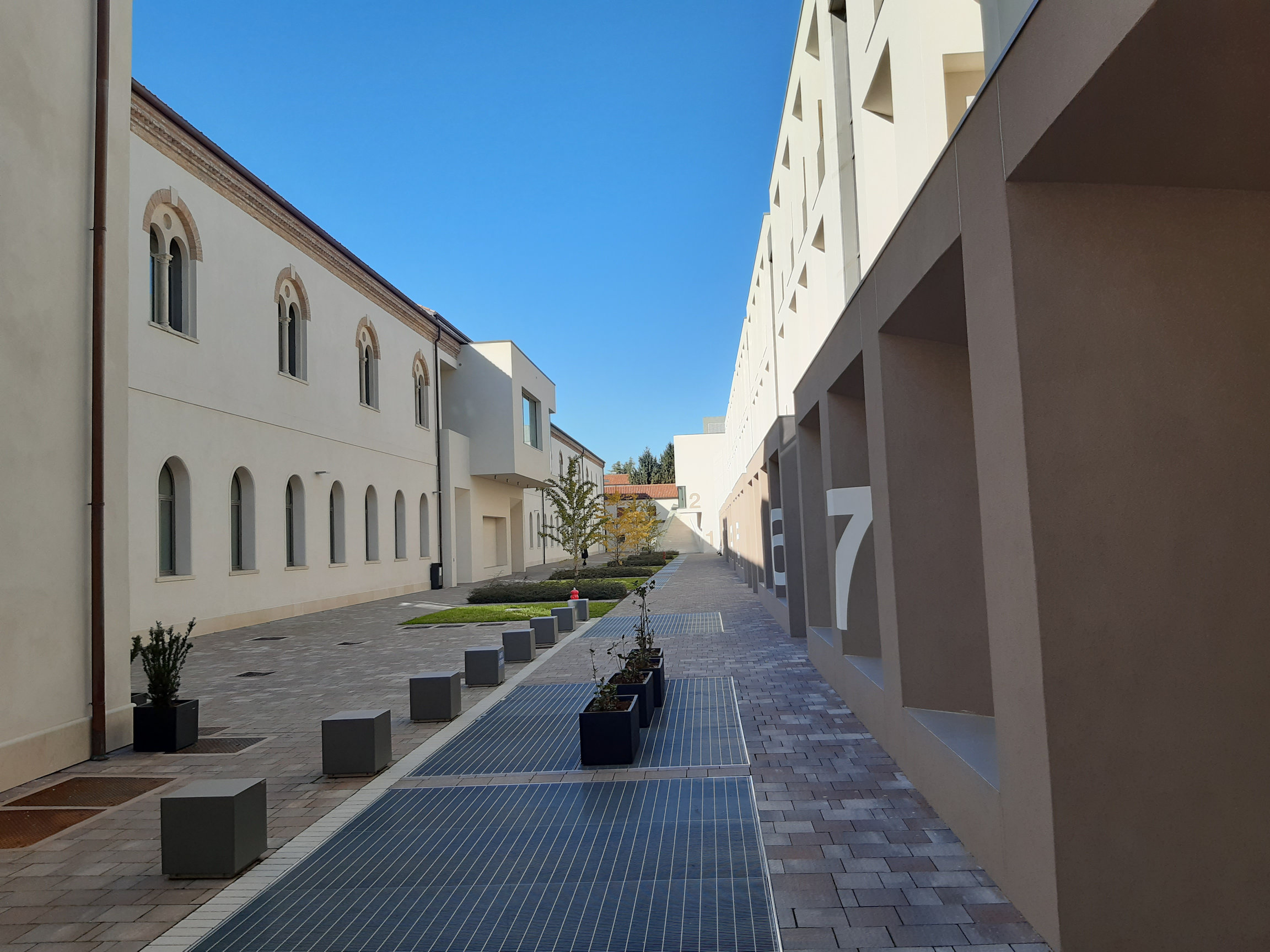
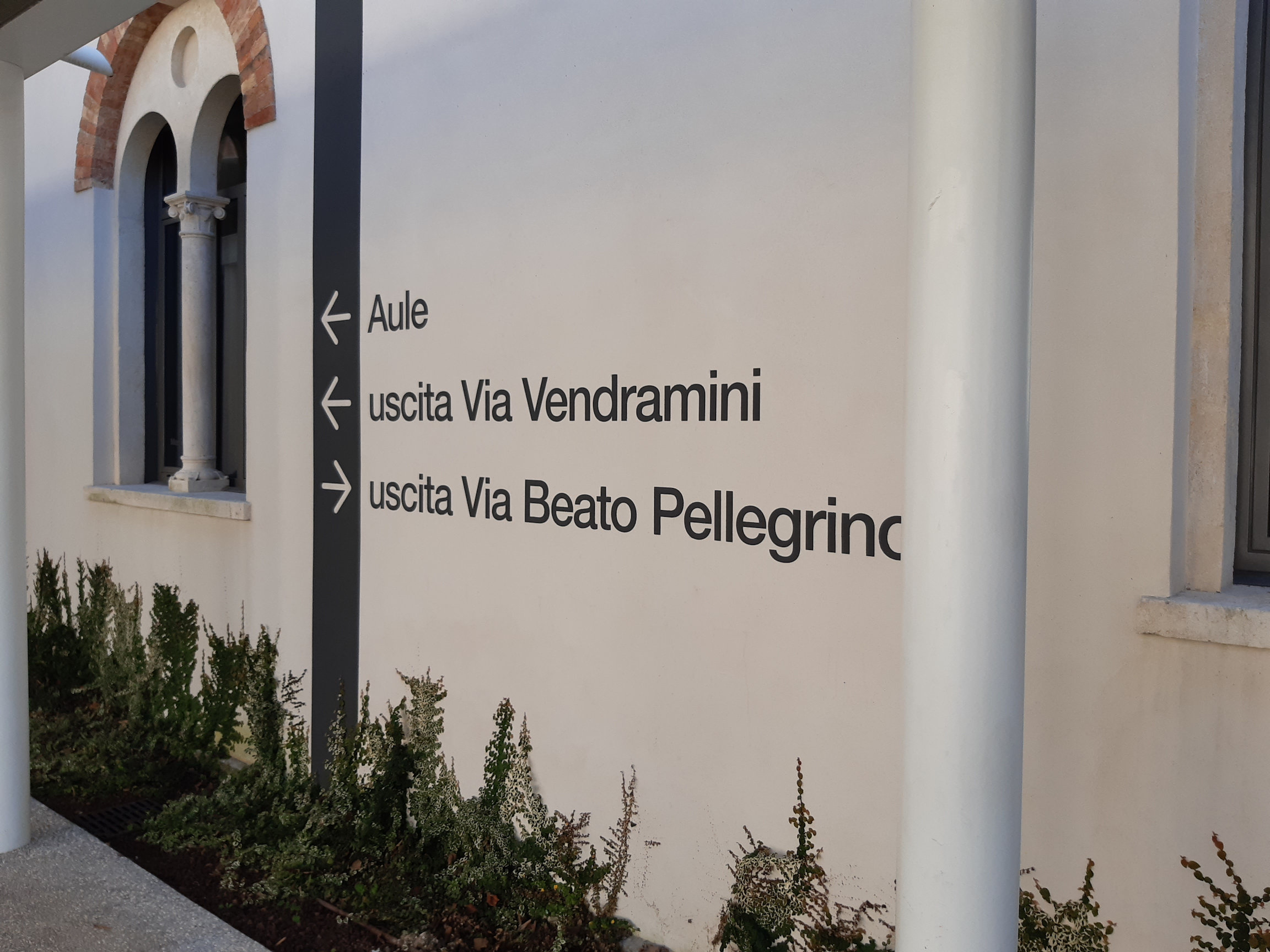
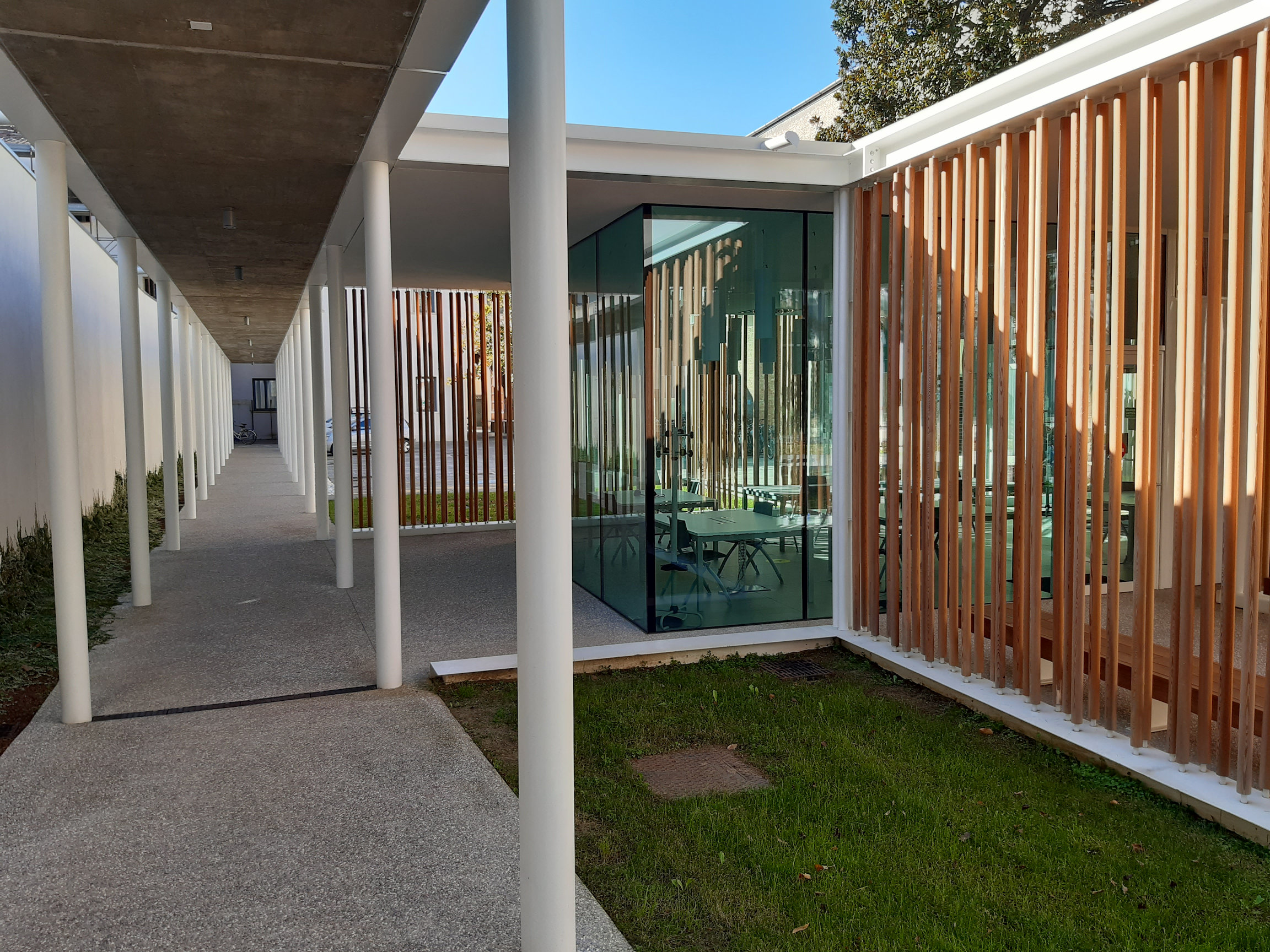
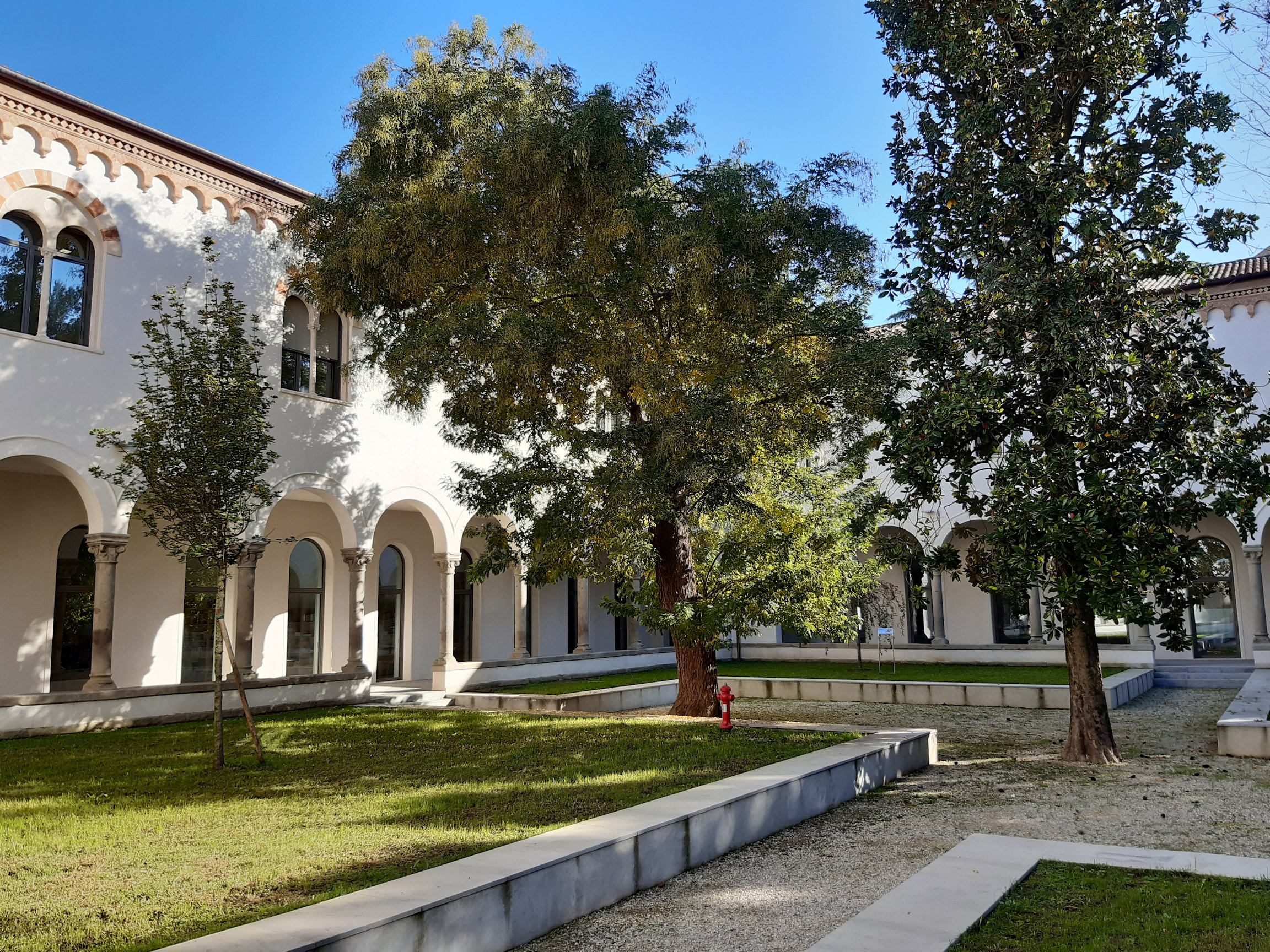
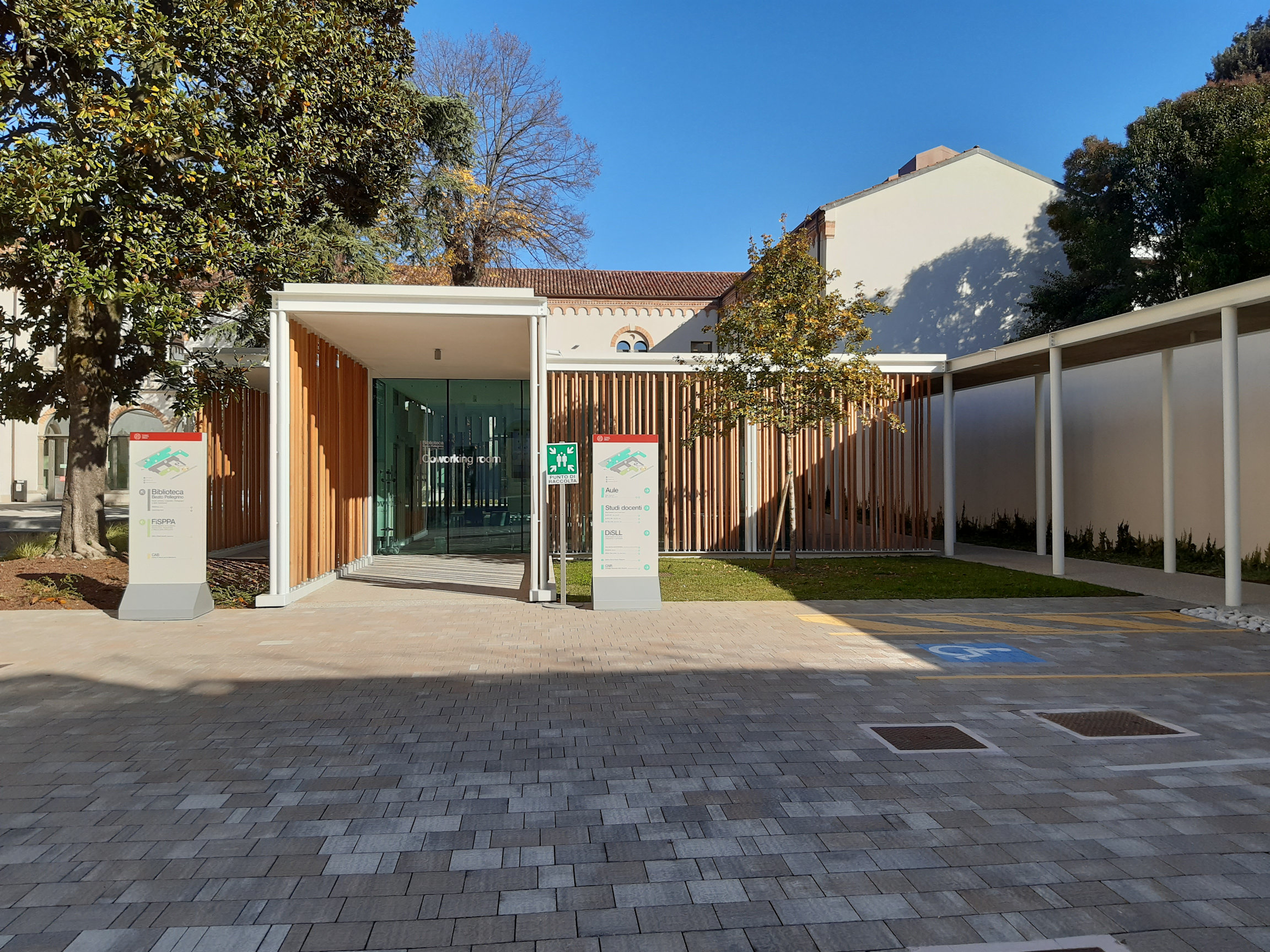
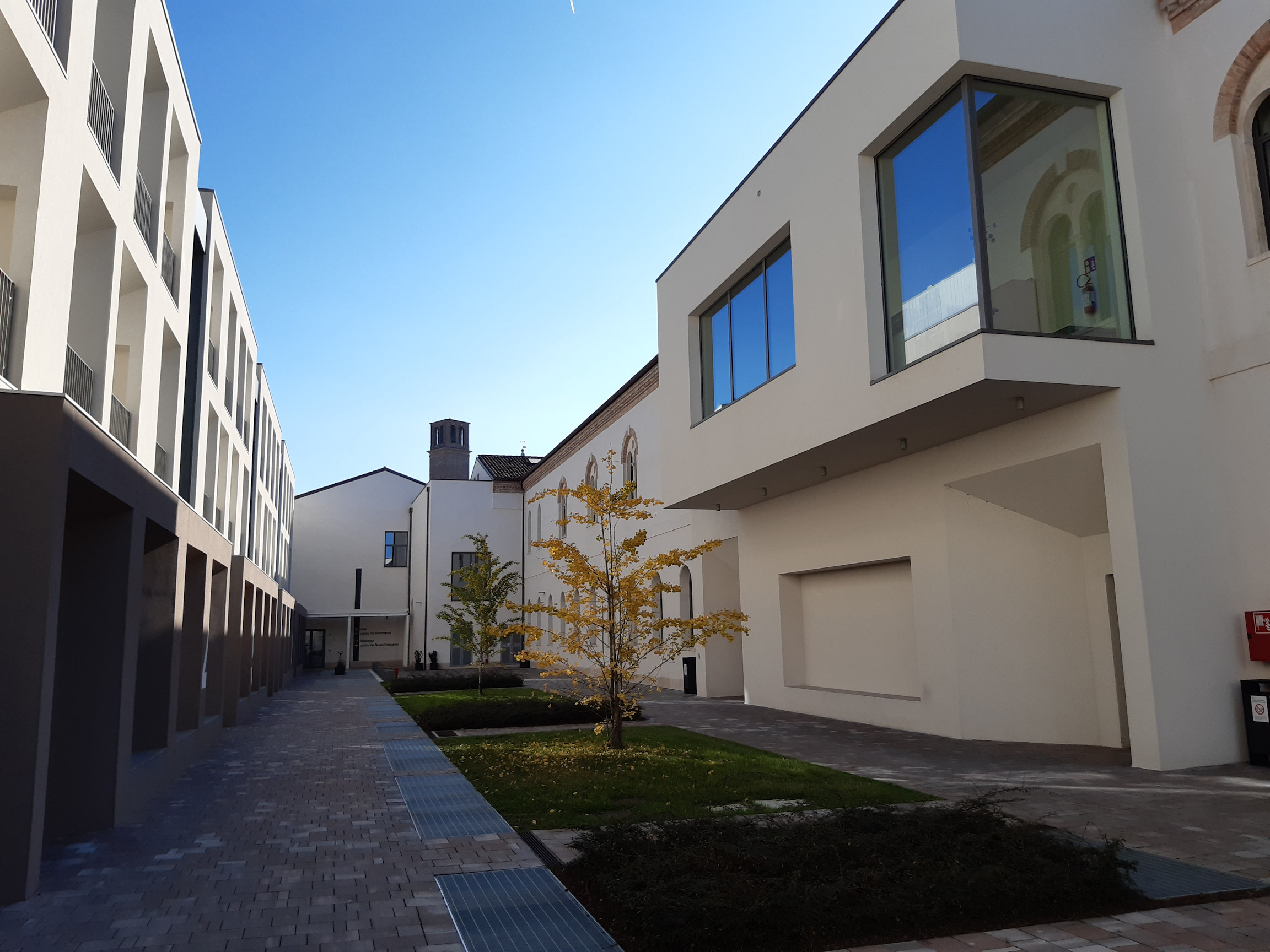
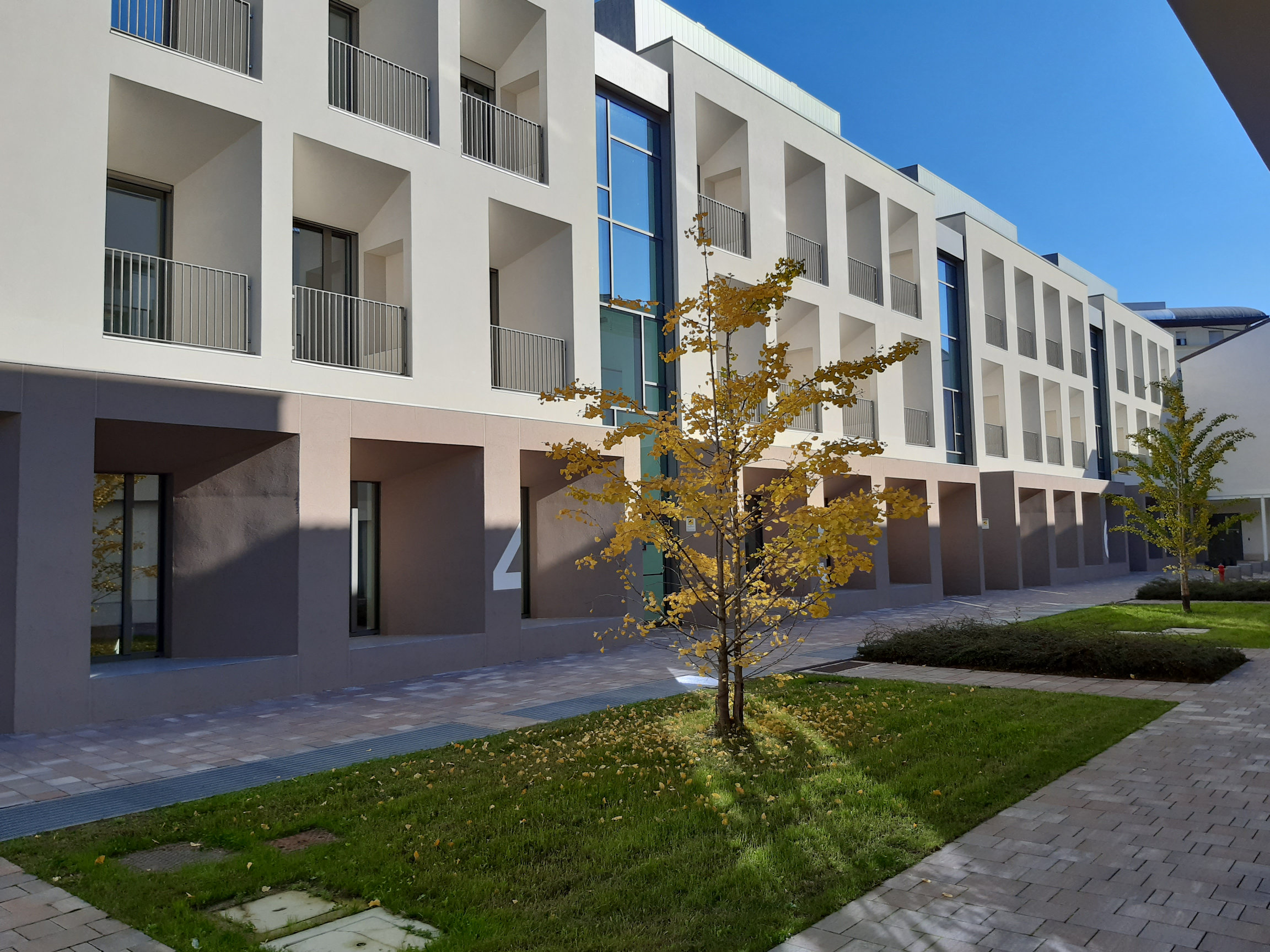
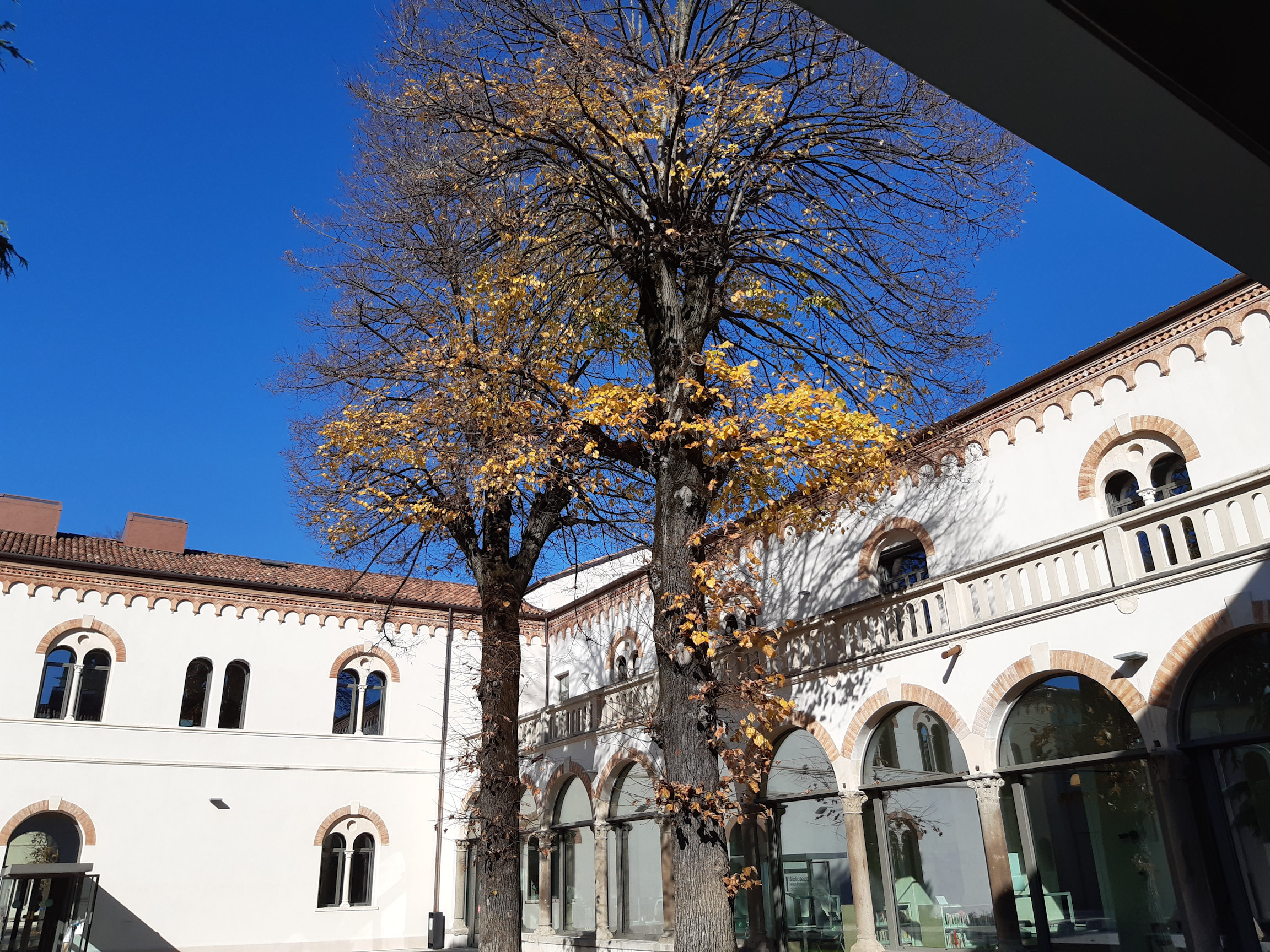
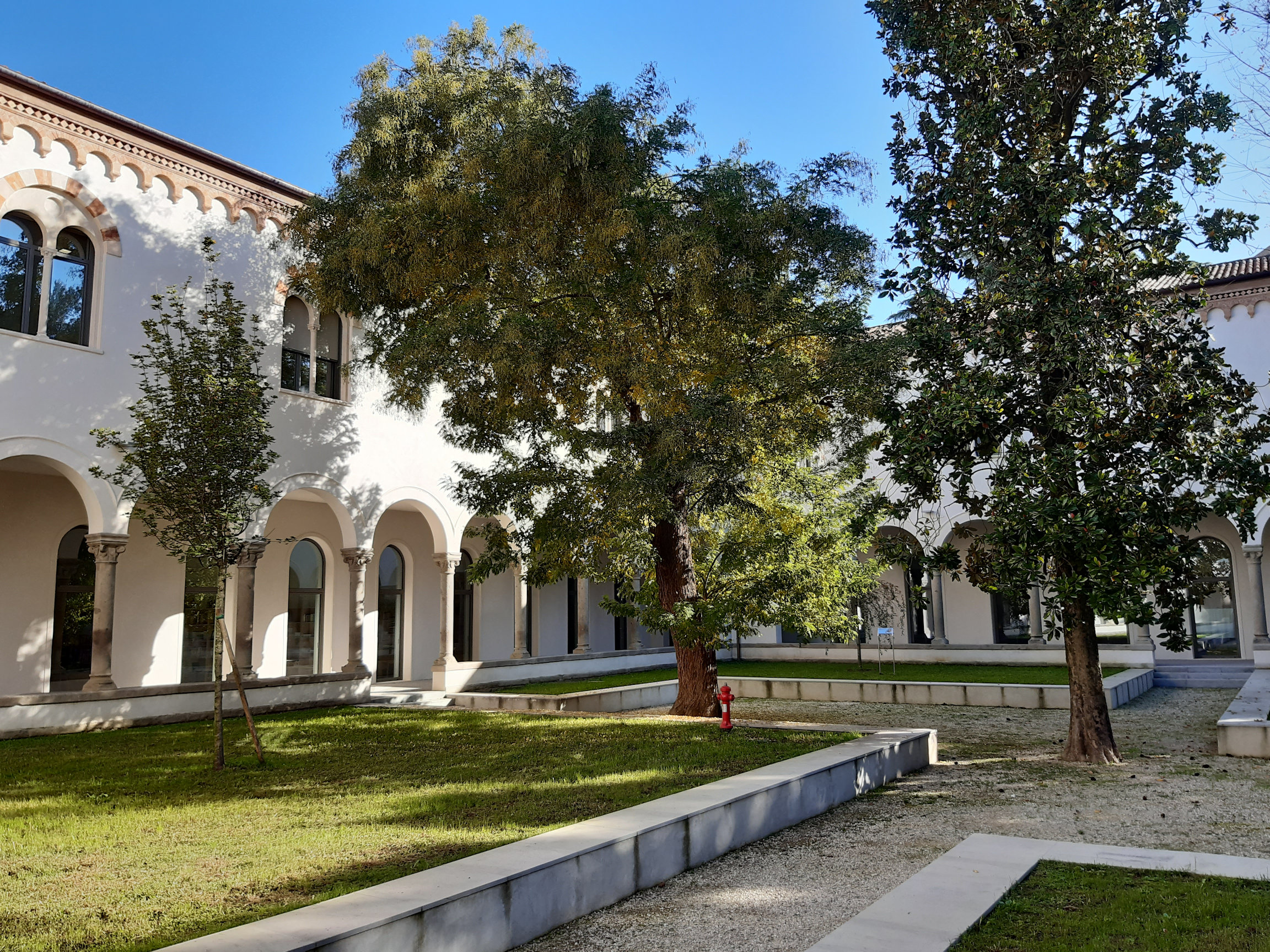
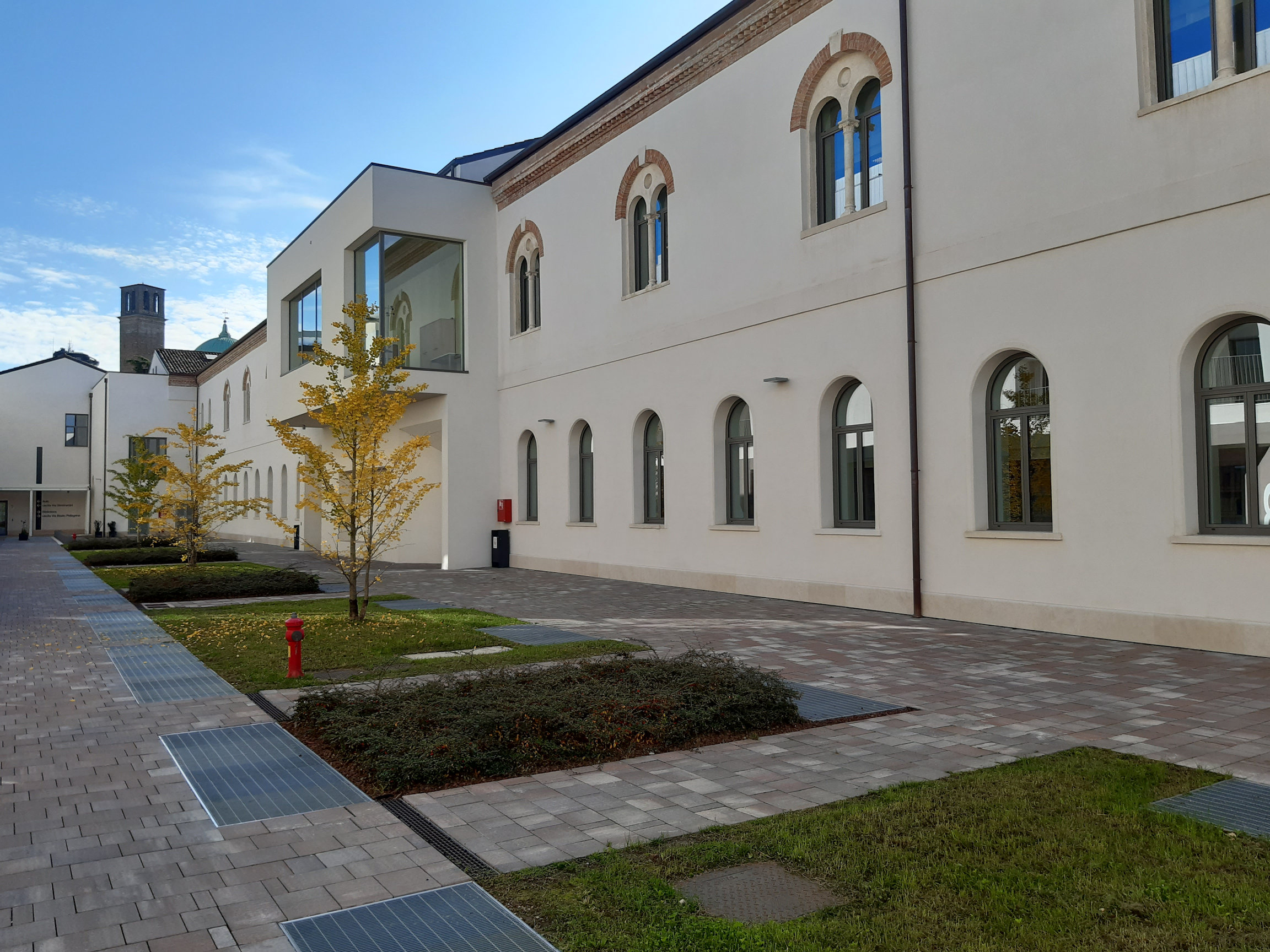
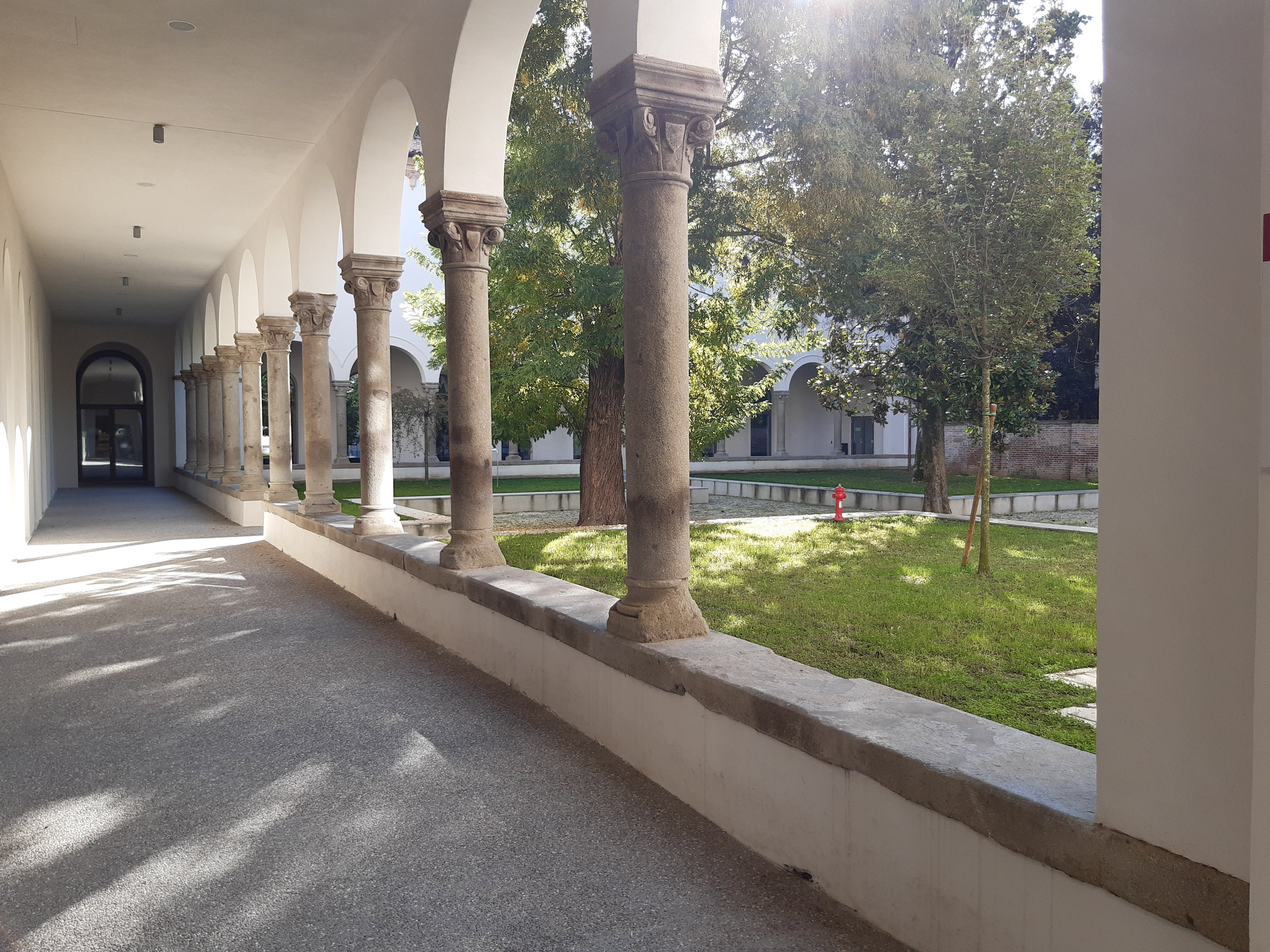
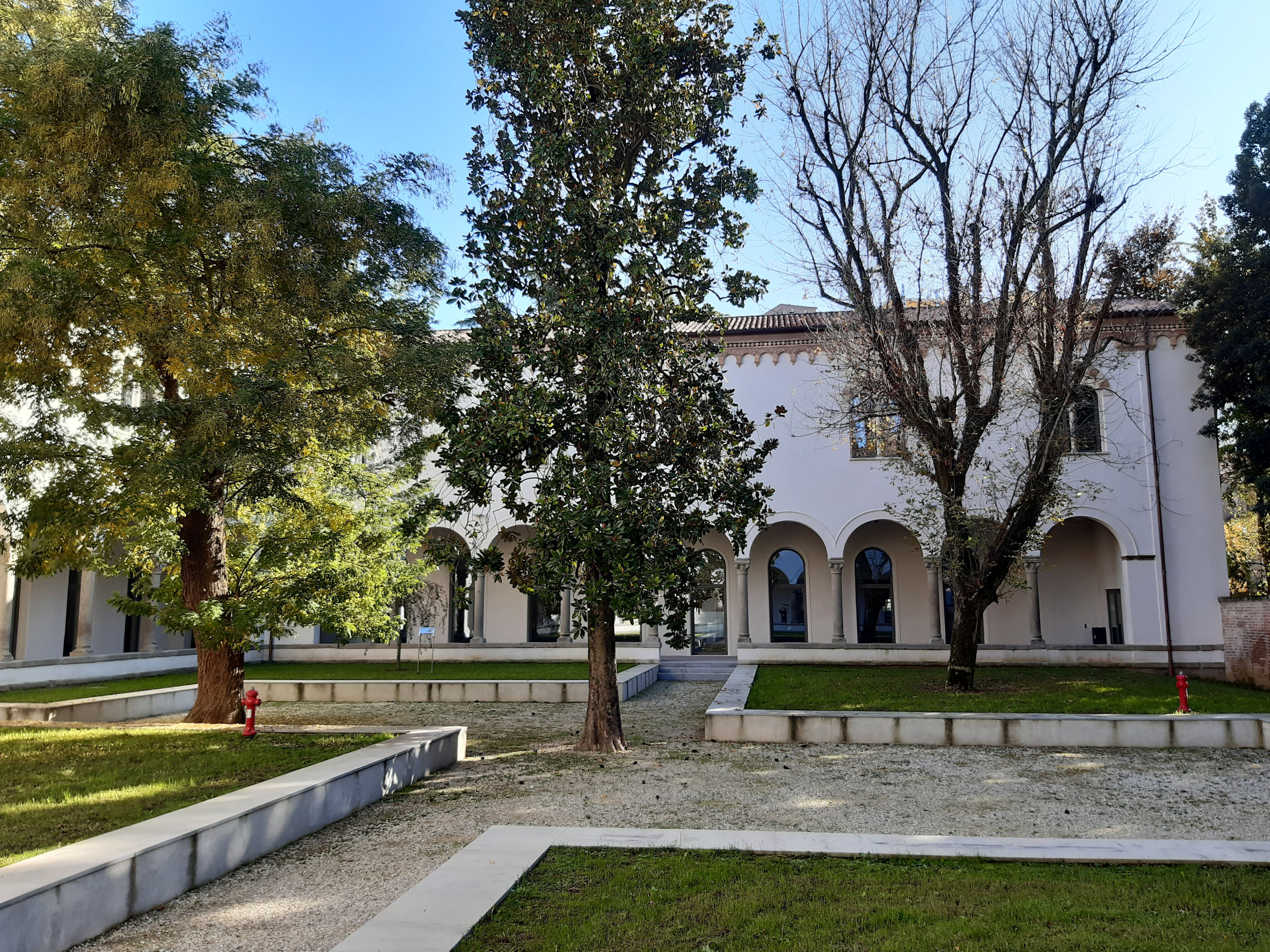
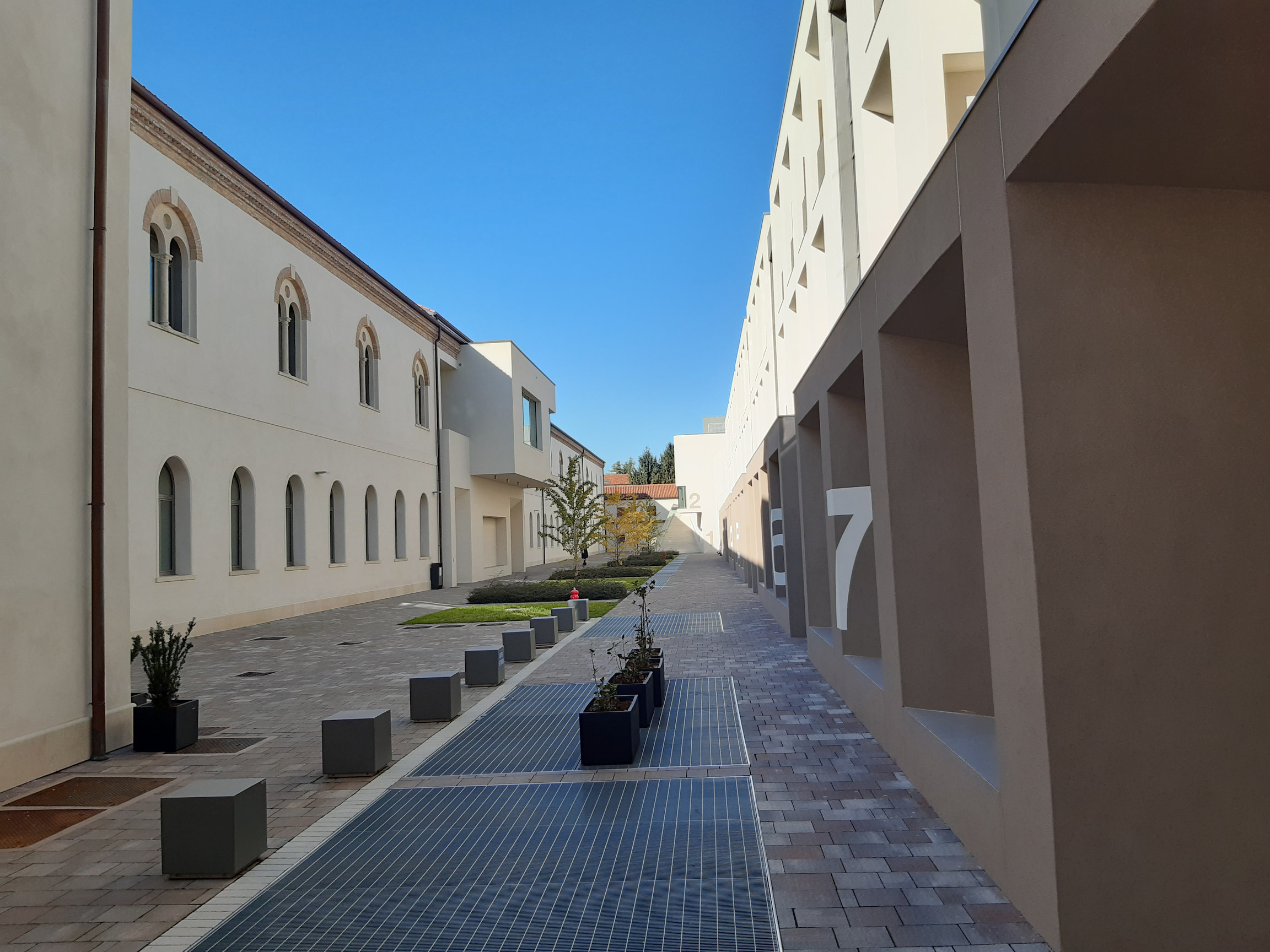
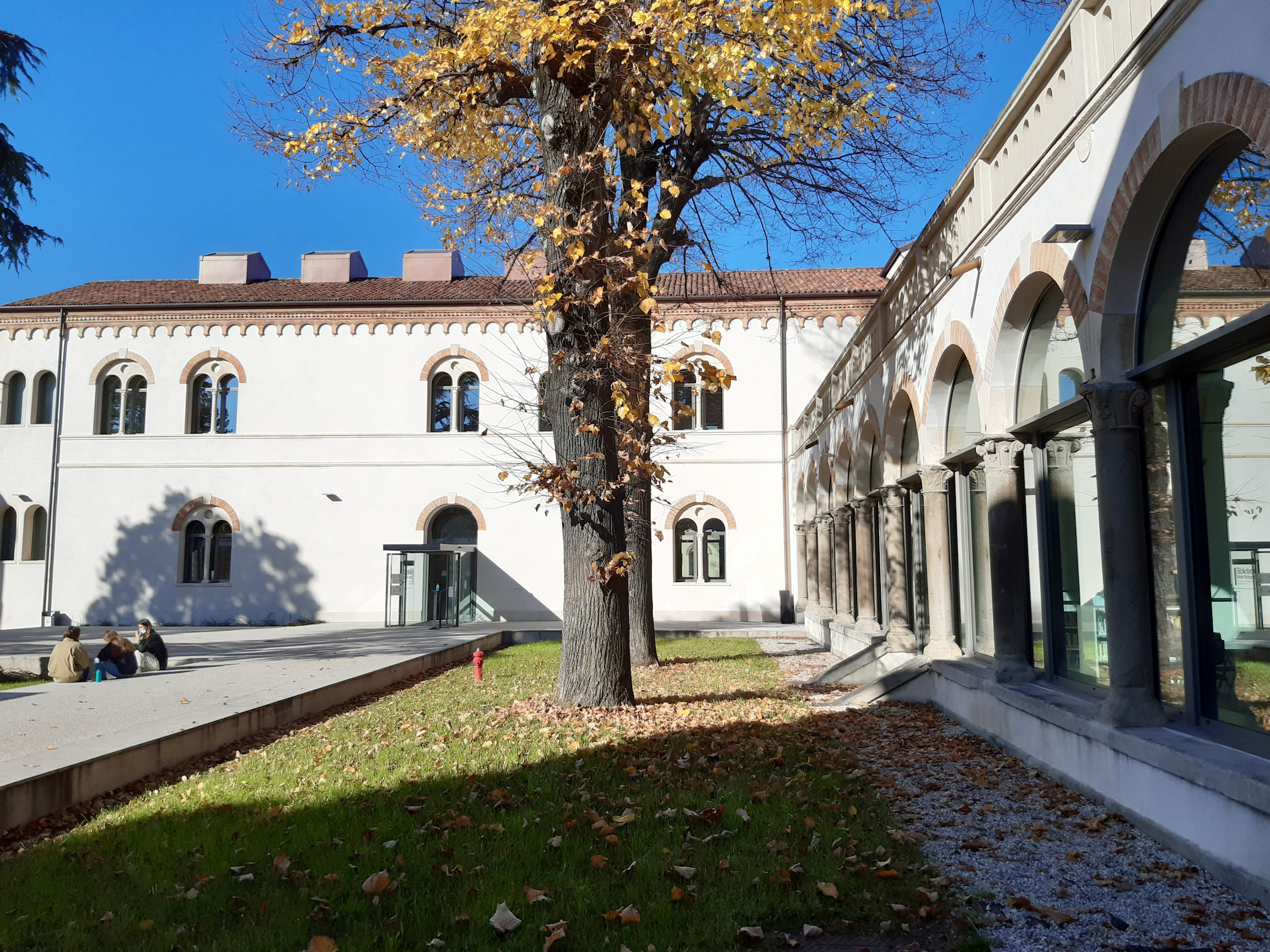
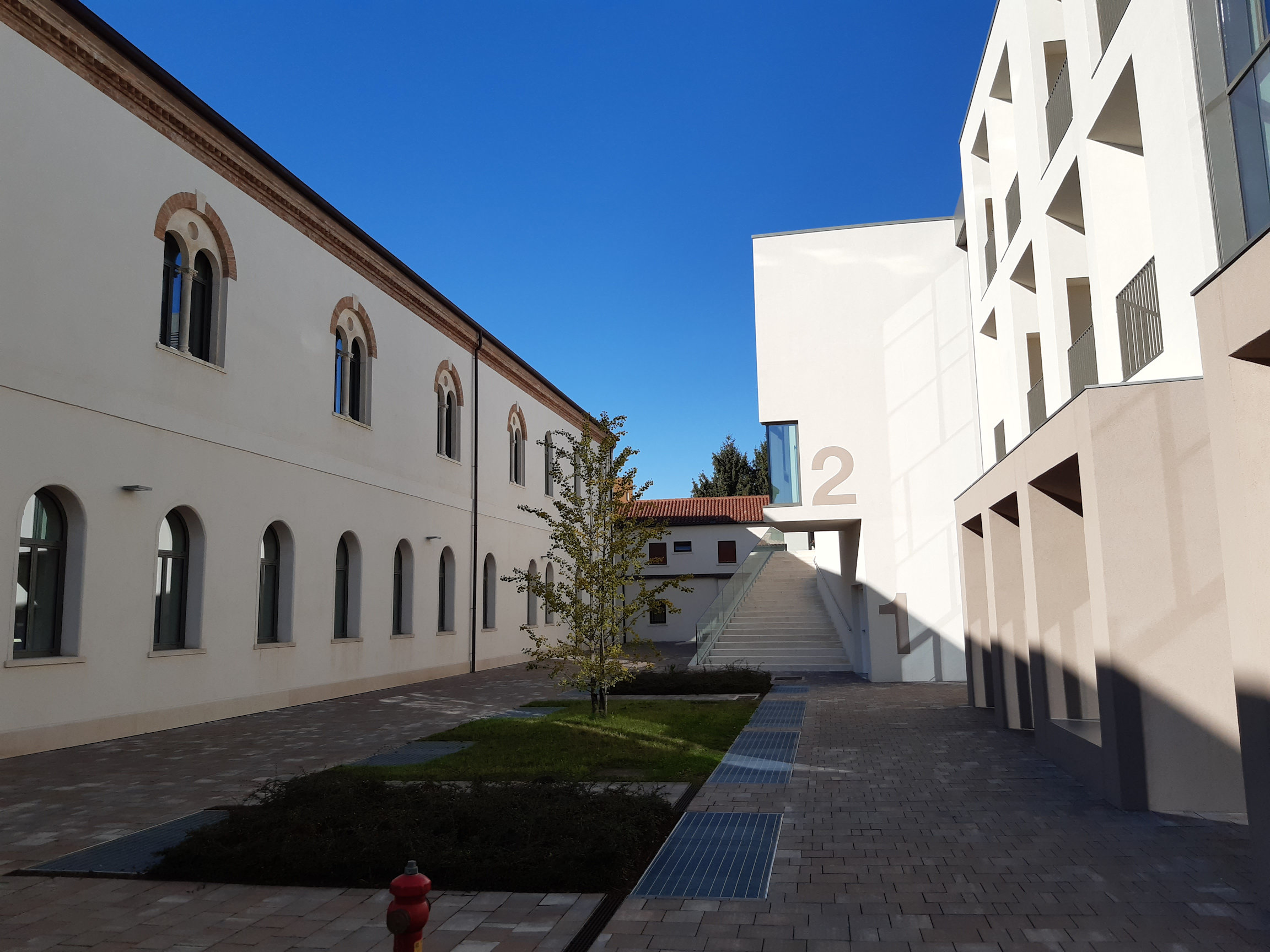
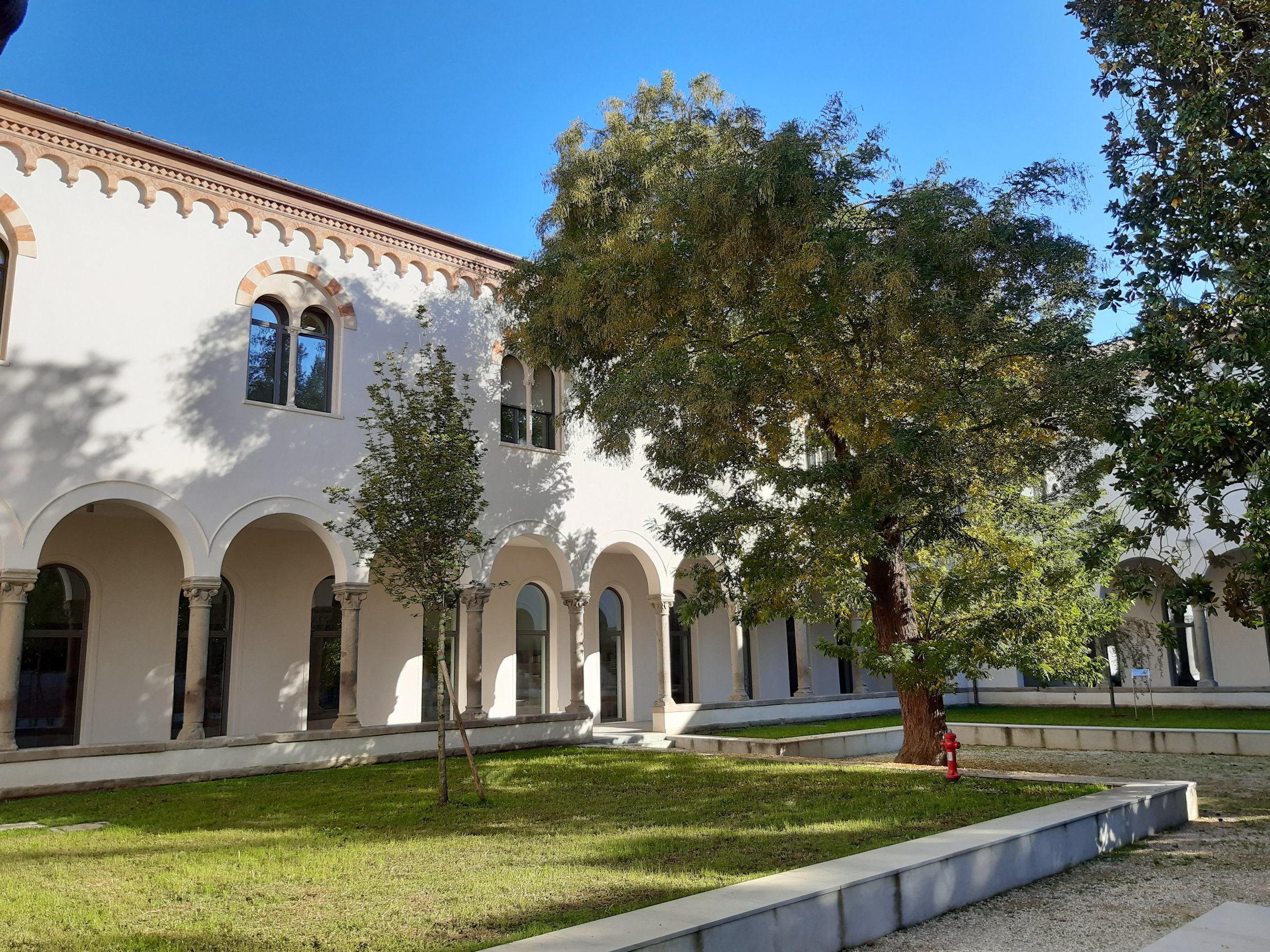
Complesso Universitario Beato Pellegrino
Scientific committee
DIPARTIMENTO DI STUDI LINGUISTICI E LETTERARI
Via E. Vendramini, 13
35137 – Padova